

 By
By A US military strike Iran is no longer just a geopolitical theory — it is a real and rapidly escalating possibility that is shaking global markets, international law, and diplomatic channels. When news broke about the Kharg Island attack, the world held its breath. Now, with Trump issuing what many are calling his “final warning” to Tehran, the question is no longer if — but when and what happens next.
If you are a business owner, legal professional, or global citizen trying to understand what this means for trade, international law, and everyday life, you are in the right place.
What Is the Kharg Island Attack and Why Does It Matter?
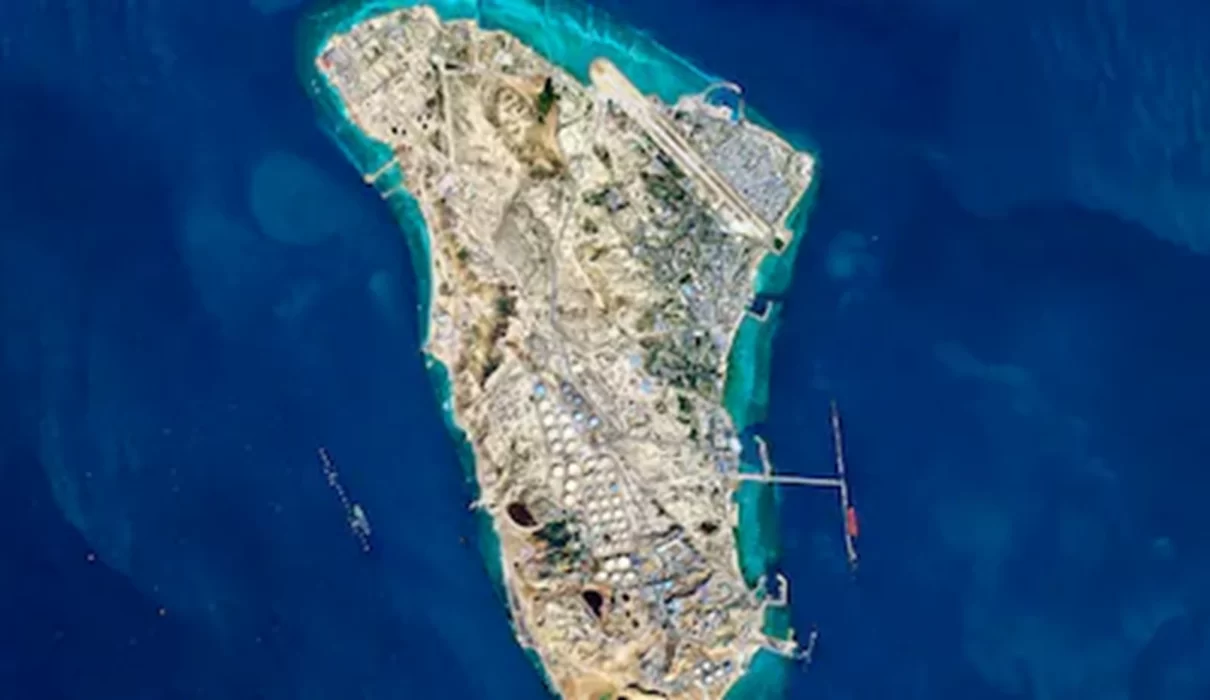
Kharg Island is Iran’s most critical oil export terminal, responsible for handling approximately 90% of the country’s crude oil shipments. Any disruption to this facility sends an immediate ripple through global oil markets.
The recent attack on Kharg Island has raised alarms at the highest levels of international diplomacy. Energy analysts warn that a sustained disruption could push oil prices to historic highs, triggering inflation across industries that depend on fuel, shipping, and logistics.
For businesses operating in import-export, manufacturing, or transportation, this is not a distant geopolitical event. It is a direct threat to supply chains, pricing structures, and operational planning.
Trump’s Final Warning: What Did He Actually Say?
President Trump has issued a firm ultimatum to Iran, demanding a halt to nuclear enrichment and the cessation of proxy attacks across the Middle East. White House officials have confirmed that all diplomatic options are being reviewed alongside military contingency plans.
Trump’s message was blunt: stop or face consequences. The administration has reportedly moved additional naval assets into the Persian Gulf region, signaling that a US military strike Iran remains firmly on the table.
Key points from Trump’s warning include:
- A deadline for Iran to enter nuclear negotiations
- Sanctions escalation if Iran refuses to comply
- Authorization of military posture reviews in the region
- Coordination with allies including Israel and Gulf states
This is not the first time such rhetoric has been used — but the combination of the Kharg Island attack, nuclear progress, and regional proxy escalations has made this moment uniquely dangerous.
The Legal Dimensions of a US Military Strike Iran
Any US military strike Iran would carry enormous legal consequences under both domestic and international law. Under the US War Powers Resolution, the President must notify Congress within 48 hours of committing military forces and cannot sustain operations beyond 60 days without Congressional authorization.
On the international side, a strike without UN Security Council approval would likely be challenged as a violation of the UN Charter’s prohibition on unilateral use of force — unless framed as an act of self-defense under Article 51.
Legal experts are already debating:
- Whether prior Iranian attacks on US-linked targets constitute an armed attack justifying self-defense
- How international humanitarian law would govern strikes on nuclear and oil infrastructure
- The legal standing of third-party nations who may be drawn into the conflict
For a deeper understanding of how international law applies to armed conflict and state accountability, read our coverage on international courts and war crime allegations.
How a US-Iran Conflict Could Impact Global Business
The economic consequences of a US military strike Iran would be far-reaching and immediate. Here is what businesses across sectors should prepare for:
Energy & Oil Prices
- Brent crude could spike dramatically if the Strait of Hormuz is threatened
- Airlines, shipping companies, and logistics firms would face rapid cost increases
- Energy-dependent manufacturers could see margin compression overnight
Trade and Supply Chains
- The Persian Gulf handles nearly 20% of global oil trade
- Any conflict disruption would affect shipping lanes from Asia to Europe
- Businesses reliant on Middle Eastern raw materials face serious exposure
Financial Markets
- Investors typically flee to safe-haven assets like gold and US Treasuries during conflict
- Emerging market currencies tied to oil revenues could collapse
- Defense stocks historically surge while travel and hospitality sectors contract
Legal and Regulatory Risk
- New sanctions on Iran or Iranian-linked entities could ensnare businesses unknowingly
- Companies operating in the Gulf region may need to review force majeure clauses
- Cross-border contracts involving Iranian counterparties could face immediate invalidation
Iran’s Military Response Capabilities: What Experts Say
Iran is not without military muscle. Defense analysts consistently highlight several asymmetric capabilities that make a conflict with Iran complex and unpredictable:
Iran’s missile arsenal includes ballistic missiles capable of hitting US bases in the region. Its naval forces can threaten commercial shipping through the Strait of Hormuz. Proxy networks in Iraq, Yemen, Lebanon, and Syria give Tehran the ability to conduct distributed, deniable attacks across multiple fronts simultaneously.
The Houthi attacks on Red Sea shipping — linked to Iranian backing — have already demonstrated how regional proxy warfare can disrupt global commerce without a single Iranian soldier crossing an international border.
For a comprehensive look at how similar escalations have unfolded, the Council on Foreign Relations maintains one of the most reliable trackers of US-Iran tensions and their global implications.
What Happens to International Law If the US Strikes?
A unilateral US military strike Iran would place enormous pressure on the existing international legal order. The UN Charter framework, already strained by conflicts in Ukraine and Gaza, would face another serious test.
If the US acts without Security Council approval — which is almost certain given Russia and China’s veto power — it would likely justify the action on self-defense grounds or as a response to Iranian support for terrorism.
This matters for businesses because:
- International sanctions regimes could be restructured overnight
- New export control laws could be passed rapidly in the US and EU
- Companies with operations in sanctioned regions could face sudden legal exposure
Understanding the intersection of international law and business operations is increasingly essential for companies operating globally.
Diplomatic Efforts Still Underway: Is War Avoidable?
Despite the alarming rhetoric, diplomatic channels have not entirely closed. European powers — particularly France, Germany, and the UK — continue to push for a return to nuclear negotiations. Omani officials have reportedly been facilitating back-channel communications between Washington and Tehran.
The diplomatic math is difficult. Iran wants sanctions relief before returning to talks. The US wants nuclear concessions before offering relief. Neither side has shown willingness to move first.
However, history shows that even the most confrontational moments between the US and Iran have ultimately produced negotiations rather than all-out war. The question is whether this time is genuinely different.
Final Thoughts
The threat of a US military strike Iran represents one of the most significant geopolitical flashpoints of 2026. The Kharg Island attack, Trump’s final warning, Iran’s military posture, and the fragile state of diplomacy have created a situation that demands serious attention — not just from policymakers, but from businesses, legal professionals, and anyone connected to global markets.
Whether war comes or is averted through last-minute diplomacy, the legal, economic, and strategic landscape has already shifted. Preparation — legally, financially, and operationally — is no longer optional. It is essential.
Stay informed. Stay prepared. And consult qualified legal and financial advisors if your business has any exposure to this rapidly evolving situation.
Key Takeaways for Business Owners and Legal Professionals
Here is a concise summary of what the escalating US military strike Iran threat means for you:
- Monitor oil prices closely – any strike would cause immediate and severe energy market disruption
- Review your contracts – force majeure, sanctions clauses, and jurisdictional provisions need urgent review
- Understand export control risk – new sanctions could restrict what you can legally sell or buy
- Diversify supply chains – over-reliance on Gulf-region suppliers is a growing business risk
- Follow legal developments – international law will evolve rapidly in a conflict scenario
- Consult legal counsel – any business with Middle East exposure should seek advice proactively
