

 By
By Native built its reputation on being a “clean,” aluminum-free, sulfate-free, and paraben-free alternative to mainstream personal care brands. Millions of customers switched to Native shampoos, conditioners, and body washes expecting a safer, plant-based routine.
That reputation is now being tested. A growing wave of consumer complaints, tied to hair loss, scalp irritation, and dryness, has fueled online discussion about a possible Native Shampoo Lawsuit. No official lawsuit has been filed yet, but attorney investigations and consumer reports suggest legal pressure may be building.
This guide breaks down what the Native Shampoo Lawsuit discussion involves, what’s being investigated, and what affected consumers should know.
What Is the Native Shampoo Lawsuit About?
The Native Shampoo Lawsuit conversation centers on claims that certain Native products, particularly shampoos, may not match their “natural” marketing. Consumers have reported hair and scalp problems after regular use.
The core allegations fall into three categories:
Hair loss and scalp irritation – Users on TikTok and Reddit describe shedding, thinning, and itching after switching to Native shampoo.
False advertising – Investigations are examining whether some Native products contain PFAS (per- and polyfluoroalkyl substances), despite being marketed as “naturally derived.”
Lack of transparency – Critics argue Native did not adequately warn users prone to scalp sensitivity or allergic reactions.
If enough evidence and plaintiffs emerge, these concerns could form the basis of a formal Native lawsuit, potentially structured as a class action.
Understanding the PFAS Allegations
The most serious issue under review is the possible presence of PFAS in Native’s shampoo and body care line.
PFAS are synthetic chemicals used for water, heat, and oil resistance. They’re nicknamed “forever chemicals” because they resist breakdown in both the environment and the human body.
Why PFAS Exposure Is a Health Concern
Health authorities, including the EPA and the Agency for Toxic Substances and Disease Registry, have linked PFAS exposure to several risks:
- Elevated cholesterol levels
- Liver and kidney strain
- Increased risk of certain cancers, including kidney and testicular cancer
- Developmental issues in infants
- Reduced vaccine effectiveness in children
- Pregnancy-related high blood pressure
“Consumers reasonably expect that a product marketed as clean beauty doesn’t contain synthetic compounds tied to long-term health risks,” says Dr. Melissa Grant, a board-certified dermatologist who reviews cosmetic formulation safety. “When there’s a gap between labeling and lab findings, it undermines the entire premise consumers bought into.”
If lab testing confirms PFAS in products labeled “clean,” it would strengthen potential false advertising claims under U.S. consumer protection law.
What Sparked the Native Lawsuit Discussion?
The earliest signals didn’t come from courtrooms. They came from social media.
In early 2025, consumers began posting about Native shampoo hair loss experiences. One widely shared example came from TikTok creator Hailey (@hmsmilezzz), who documented visible thinning after switching to Native’s curly hair shampoo line.
Reddit threads followed shortly after, with complaints ranging from mild dryness to significant hair fall. Some commenters said they were exploring legal options.
Products Currently Under Investigation
Attorneys working with consumer advocacy platforms like ClassAction.org are reviewing multiple Native product lines for possible PFAS content or misleading marketing claims.
Products currently under scrutiny include:
- Native Shampoo
- Native Conditioner
- Native Body Wash
- Native Lotion
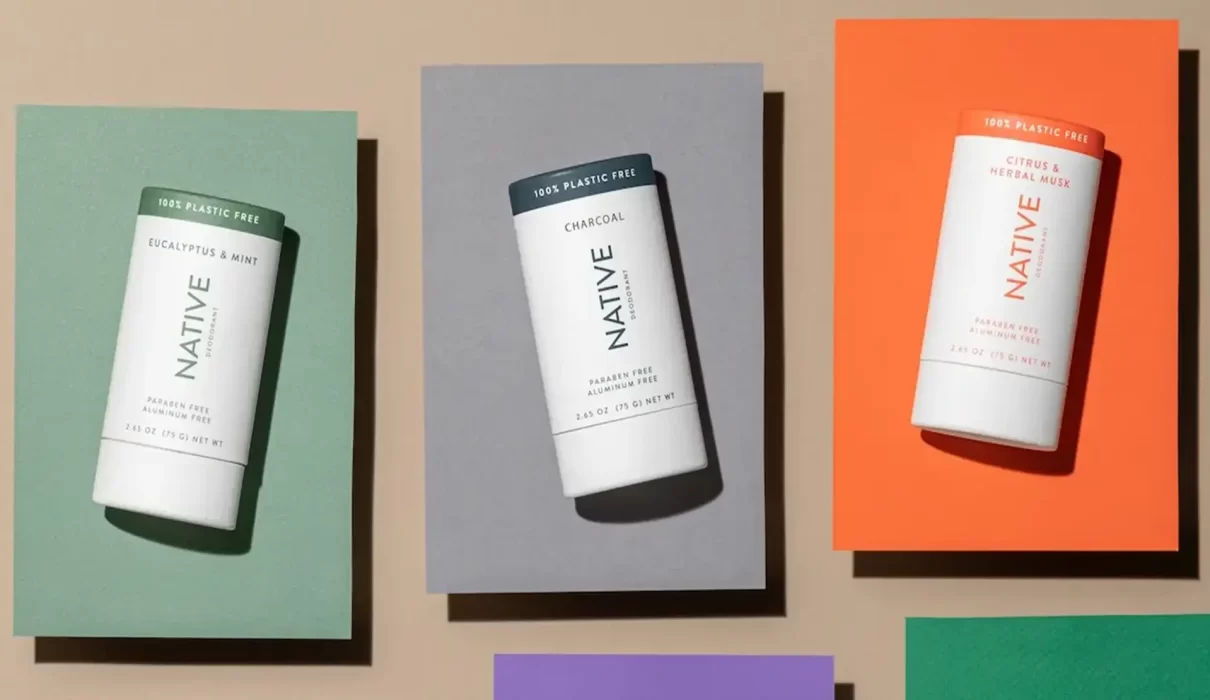
- Native Deodorant
- Native Toothpaste
The shampoo line has drawn the most attention due to the volume of hair loss reports, but the investigation spans the broader product catalog.
Native’s Response to the Allegations
Native has denied any wrongdoing. The company maintains that its products undergo rigorous testing and meet industry safety standards.
The brand points to its use of naturally derived ingredients, including coconut oil, shea butter, and sodium cocoyl isethionate, a mild cleanser used in place of harsher sulfates.
Native has not issued a direct public statement addressing the PFAS investigation specifically, which continues to concern customers who trusted its clean beauty positioning.
Until lab results or court filings become public, much of this remains unresolved.
Why the Hair Loss Complaints Matter
Hair loss carries an emotional weight beyond the cosmetic. Many people chose Native specifically to avoid the harsh chemicals linked to hair damage in mainstream products.
Commonly reported symptoms include:
- Excessive shedding shortly after switching to Native shampoo
- Scalp dryness and flaking with continued use
- Breakage and rougher hair texture
- Burning or stinging on sensitive scalps
Not every case can be traced directly to one product. Diet, stress, hormones, and underlying scalp conditions all play a role in hair health. Still, the consistency and volume of these reports is what has drawn attorney attention.
Could a Class Action Native Lawsuit Move Forward?
No formal Native lawsuit has been filed as of this writing. Attorneys are actively evaluating whether the evidence supports one.
A future class action could potentially center on three legal theories:
False advertising, if “clean” or “natural” claims are proven misleading.
Product liability, if the formulas are shown to have directly caused harm.
Consumer fraud, if the company failed to disclose known risks.
A class action structure would let affected consumers combine claims into a single case, potentially recovering costs and pushing for labeling or formulation changes.
What To Do If You Experienced Hair Loss or Scalp Damage
If you believe Native products caused hair or scalp issues, consider these steps:
- Stop use immediately and switch to a dermatologist-recommended alternative.
- Document everything. Save receipts, take photos, and log when symptoms began.
- See a dermatologist to rule out other causes and get medical documentation.
- Report your experience to consumer protection agencies or investigating law firms.
- Monitor case updates through established legal resources tracking the litigation.
If a formal Native lawsuit does move forward, documented cases like these could support a claim for damages or refunds.
Pros and Cons of Native Shampoo
Pros
- Free of parabens, sulfates, and phthalates
- Pleasant, simple scent profiles like coconut and vanilla
- Cruelty-free and vegan-friendly
- Widely available and reasonably priced
Cons
- Growing reports of hair loss, dryness, and irritation
- Unresolved questions around PFAS content
- Inconsistent results across different hair types
- Limited public response from the company on the ongoing investigation
Broader Impact on the Clean Beauty Industry
The Native Shampoo Lawsuit discussion touches a larger issue across personal care. Terms like “clean,” “natural,” and “chemical-free” carry no strict legal definition in the U.S.
That regulatory gap allows brands significant latitude in marketing language, as long as a small list of explicitly banned ingredients is avoided. A confirmed case against Native could pressure regulators toward tighter enforcement of these claims industry-wide.
For consumers, it’s a reminder to check ingredient lists directly rather than relying on marketing language alone.
Key Takeaways
- The Native Shampoo Lawsuit remains in the investigation phase, with no confirmed class action filed yet.
- Core allegations involve PFAS contamination, hair loss, and misleading “clean” marketing.
- Multiple Native product lines beyond shampoo are also under review.
- Consumers experiencing symptoms should document their experience and consult a dermatologist.
Final Thoughts
The Native Shampoo Lawsuit conversation reflects a broader consumer demand for transparency in personal care marketing. Whether the outcome centers on PFAS findings or hair loss reports, the underlying question is the same: does the label match what’s actually in the bottle.
For now, staying informed and reading ingredient lists carefully remains the most practical step. How this case develops could shape accountability standards across the clean beauty industry going forward.
