

 By
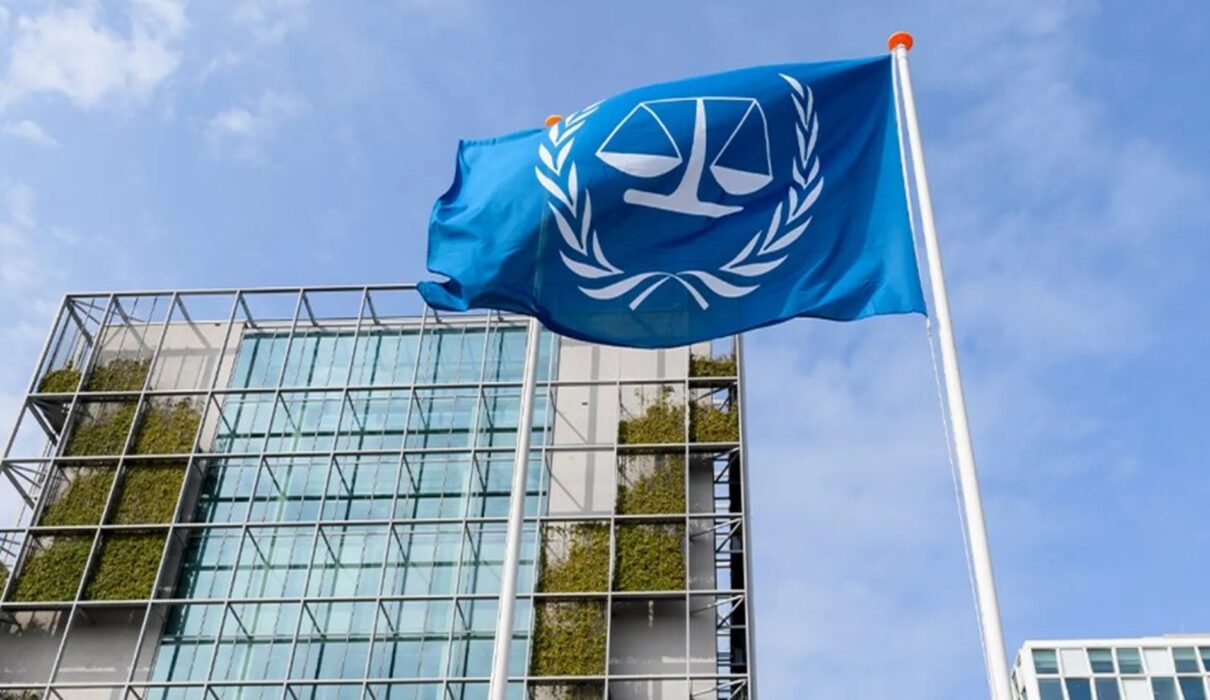
By International criminal law plays a crucial role in holding individuals accountable for serious violations of humanitarian law. In recent years, global conflicts have prompted renewed attention to war crime investigations and prosecutions before international courts and tribunals.
As allegations of atrocities emerge in various conflict zones, international legal institutions are increasingly called upon to investigate and adjudicate potential violations.
Understanding War Crimes in International Law
War crimes are serious breaches of the laws governing armed conflict. These crimes may include targeting civilians, using prohibited weapons, mistreating prisoners of war, and destroying civilian infrastructure without military justification.
International humanitarian law establishes rules designed to limit the human suffering caused by armed conflicts. Violations of these rules can result in criminal liability for individuals, including military commanders and political leaders.
War crimes are prosecuted under international legal frameworks developed through treaties and customary international law.
The Role of International Courts and Tribunals
International courts are responsible for investigating and prosecuting individuals accused of serious international crimes. These institutions operate independently from national governments and apply international legal standards.
Investigations often involve gathering evidence from conflict zones, interviewing witnesses, and cooperating with national authorities.
When sufficient evidence exists, prosecutors may issue arrest warrants or initiate formal trials.
Challenges in Prosecuting War Crimes
War crime prosecutions face numerous challenges. One major obstacle is obtaining custody of suspects, particularly when accused individuals remain within territories controlled by supportive governments.
Collecting reliable evidence in active conflict zones is also difficult. Investigators must often operate in dangerous environments with limited access to documentation and witnesses.
Political considerations can further complicate international justice efforts.
The Importance of Accountability
Despite these challenges, international war crime prosecutions play a vital role in promoting accountability and justice.
Holding individuals responsible for atrocities helps deter future violations and reinforces the rule of law in international relations.
These prosecutions also provide victims with an opportunity to seek justice and recognition of their suffering.
The Future of International Criminal Justice
As conflicts continue to evolve, international courts will remain central to addressing allegations of war crimes and crimes against humanity.
Technological advancements, including satellite imagery and digital evidence collection, are improving investigative capabilities.
International cooperation between courts, governments, and humanitarian organizations will be essential for strengthening the global system of criminal accountability.
