

 By
By If your Toyota crossover keeps breaking down despite repeated repair attempts, you may have a lemon on your hands. Owning a defective vehicle is frustrating, but the law is on your side.
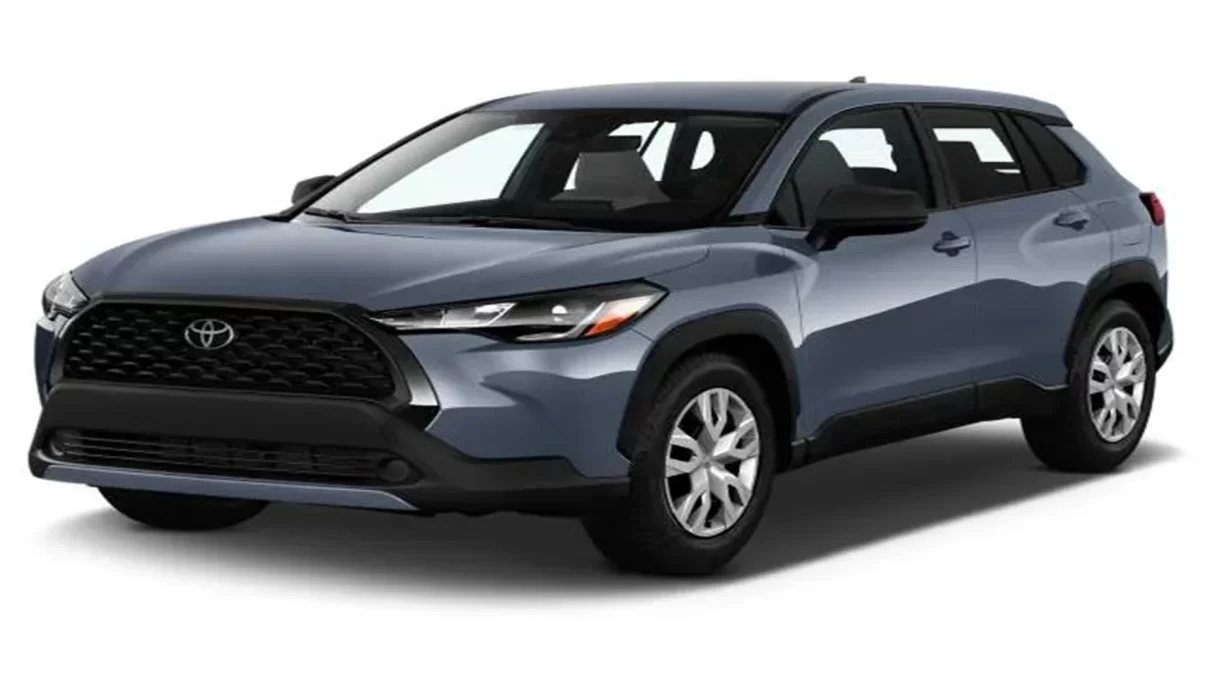
Lemon laws exist to protect consumers who purchase or lease a Toyota crossover that fails to meet basic quality and safety standards. Whether you drive a RAV4, C-HR, Venza, or Corolla Cross, understanding your legal rights can help you get a full refund or a free replacement vehicle.
This guide walks you through everything you need to know about filing a lemon law claim for your Toyota crossover – step by step.
What Is the Lemon Law and How Does It Protect Toyota Crossover Owners?
The lemon law is a consumer protection law that gives buyers legal rights when a new or recently purchased vehicle has a serious defect that cannot be fixed after a reasonable number of repair attempts.
Every U.S. state has its own version of the lemon law. In addition, the Magnuson-Moss Warranty Act is a federal law that gives Toyota crossover owners additional rights when a manufacturer fails to honor a written warranty.
If your Toyota crossover qualifies under either state or federal law, you may be entitled to:
- A full refund of the purchase price
- A replacement vehicle of equal value
- Cash compensation for damages
- Attorney fees paid by Toyota
The lemon law was designed so that consumers do not bear the financial burden of a manufacturer’s defect. You paid for a reliable vehicle, the law ensures you get one.
Which Toyota Crossover Models Are Most Commonly Affected?
Not every Toyota crossover experiences serious defects, but some models have reported recurring issues that often lead to lemon law claims. The most commonly affected models include:
- Toyota RAV4 – transmission shuddering, fuel system problems, and sudden acceleration issues
- Toyota C-HR – infotainment system failures, engine hesitation, and electrical defects
- Toyota Venza – hybrid battery problems, brake system faults, and software malfunctions
- Toyota Corolla Cross – steering issues, sensor failures, and air conditioning defects
If your Toyota crossover has any of these recurring issues and Toyota has failed to fix them after multiple repair visits, you likely have grounds for a lemon law claim.
Does Your Toyota Crossover Qualify as a Lemon?
To qualify under most state lemon laws, your Toyota crossover must meet specific criteria. While requirements vary by state, the general standard includes:
1. The defect must be substantial Minor inconveniences do not qualify. The defect must significantly affect the vehicle’s safety, value, or use. Engine failure, brake malfunctions, and transmission defects are strong qualifying issues.
2. The defect must occur within the warranty period Most lemon laws apply to defects that appear within the first 12 to 24 months of ownership or within a specific mileage limit, usually 12,000 to 18,000 miles.
3. Toyota must have had a reasonable number of repair attempts In most states, “reasonable” means:
- 3 to 4 repair attempts for the same defect, or
- The vehicle has been out of service for 30 or more days due to repairs
4. The defect must not be caused by owner abuse or neglect If the defect resulted from an accident or misuse, the lemon law claim may not apply.
If your Toyota crossover checks all of these boxes, you are in a strong position to move forward with a claim.
How to File a Lemon Law Claim for Your Toyota Crossover
Filing a lemon law claim may feel overwhelming, but the process is straightforward when you follow the right steps.
Step 1: Document Every Repair Visit
Keep a detailed record of every repair attempt. Save all service receipts, work orders, and written communication with Toyota or your dealership. This documentation is the foundation of your Toyota crossover lemon law claim.
Step 2: Send a Written Notice to Toyota
Before filing a formal claim, many states require you to notify Toyota in writing about the defect and give them one final opportunity to repair it. Send this letter by certified mail and keep a copy.
Step 3: Use Toyota’s Arbitration Program (If Required)
Some states require buyers to go through the manufacturer’s arbitration program before filing a lawsuit. Toyota has its own dispute resolution process. However, arbitration decisions are often not final, you can still take legal action if you are unsatisfied.
Step 4: Consult a Lemon Law Attorney
A lemon law attorney who specializes in Toyota crossover cases can dramatically improve your outcome. In most states, if you win your case, Toyota is required to pay your attorney fees, meaning legal help often costs you nothing upfront.
Step 5: File a Claim or Lawsuit
If arbitration fails or is not required, your attorney can file a formal lemon law complaint against Toyota. Most cases settle before going to trial.
What Compensation Can You Receive from a Toyota Crossover Lemon Law Claim?
The compensation you receive depends on your state’s laws and the specifics of your case. Common outcomes for a successful Toyota crossover lemon law claim include:
- Vehicle buyback – Toyota repurchases your vehicle at the full original purchase price, including taxes, registration fees, and finance charges
- Replacement vehicle – Toyota provides you with a new vehicle of the same or comparable model
- Cash settlement – In some cases, you may receive monetary compensation instead of a buyback or replacement
- Incidental damages – Reimbursement for rental car costs, towing fees, and repair-related expenses
A small usage fee may be deducted from your refund to account for miles driven before the defect appeared. Your attorney can negotiate to minimize this deduction.
Lemon Law vs. Toyota Warranty: Key Differences
Many Toyota crossover owners confuse the lemon law with the standard Toyota warranty. Here is a simple comparison:
| Feature | Toyota Warranty | Lemon Law |
| Who controls it | Toyota | State/Federal Government |
| Covers repair costs | Yes | Yes |
| Entitles you to refund | No | Yes |
| Entitles you to replacement | No | Yes |
| Attorney fees covered | No | Yes (if you win) |
| Time limit | Fixed by Toyota | Set by state law |
If Toyota’s warranty has failed to resolve your defect after multiple attempts, the lemon law gives you far stronger legal protection.
Final Thoughts and Key Takeaways
Dealing with a defective Toyota crossover is stressful, but you do not have to accept it. The lemon law exists specifically to protect consumers like you.
Here are the key takeaways from this guide:
- Document everything – every repair visit, receipt, and communication matters
- Act quickly – lemon law deadlines are strict and vary by state
- Know your options – you may be entitled to a refund, replacement, or cash settlement
- Hire an attorney – in most cases, legal help costs you nothing if you win
- Do not rely solely on Toyota’s warranty – the lemon law gives you stronger rights
If your Toyota crossover has been to the dealership multiple times for the same unresolved defect, consult a lemon law attorney today. A free case evaluation could be the first step toward getting the refund or replacement you legally deserve.
