

 By
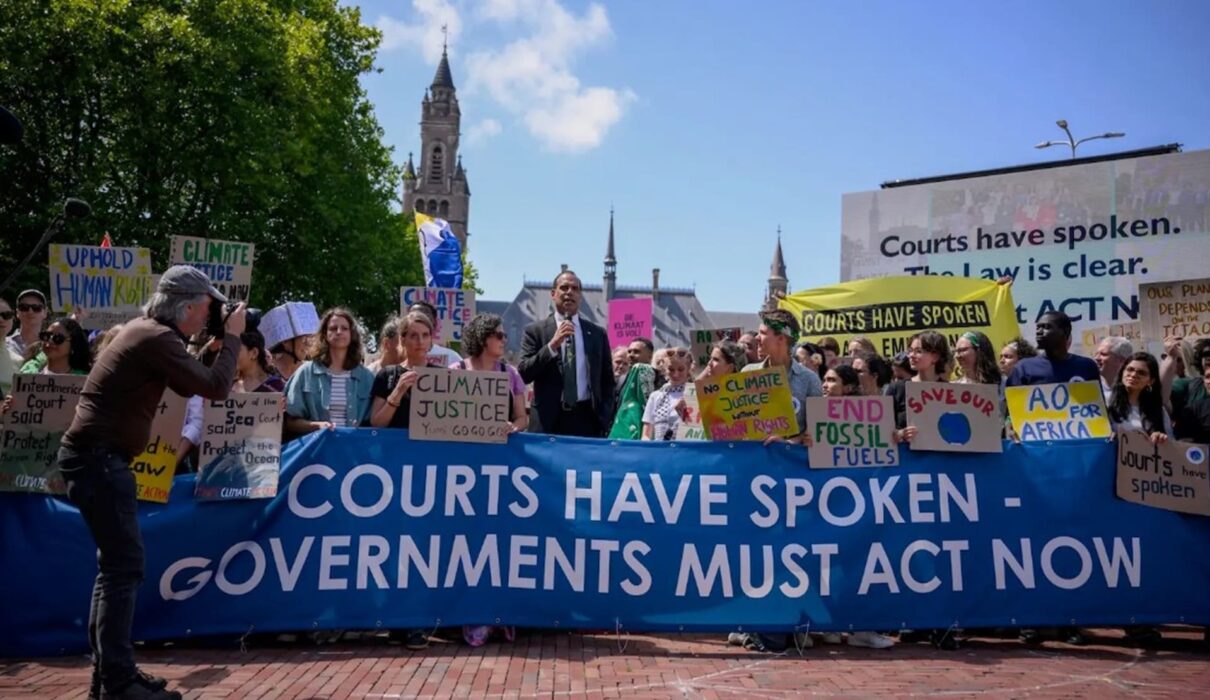
By Climate change has increasingly become a central issue in international law. Courts and tribunals around the world are now playing a significant role in shaping environmental policies by interpreting international treaties, reviewing governmental obligations, and holding corporations accountable for environmental harm. In 2026, global courts are influencing how governments and businesses respond to the growing climate crisis.
The Growing Role of International Courts in Climate Governance
For decades, climate action was largely driven by international negotiations and political agreements. However, recent years have seen courts emerge as powerful actors in climate governance. Individuals, environmental organizations, and even governments are turning to international and regional courts to challenge inadequate climate policies.
International courts are interpreting environmental obligations under treaties and customary international law. These rulings often establish legal standards that governments must follow when developing environmental policies, particularly in relation to carbon emissions, biodiversity protection, and climate adaptation.
As the urgency of climate change increases, courts are being asked to determine whether states are meeting their commitments under global agreements such as climate accords and environmental treaties.
Landmark Climate Litigation and Its Global Impact
Climate litigation has expanded rapidly across jurisdictions. Courts in Europe, Asia, and the Americas have issued significant decisions requiring governments to adopt stronger climate policies. These rulings often rely on human rights principles, arguing that environmental degradation threatens fundamental rights such as the right to life, health, and a safe environment.
International legal bodies have also been asked to issue advisory opinions on climate responsibilities. These opinions can influence domestic courts and national legislatures, providing guidance on how international law should be interpreted in environmental matters.
The growing body of climate-related case law is gradually forming a framework for global environmental accountability. Governments are increasingly aware that inadequate climate action may lead to legal challenges both domestically and internationally.
Corporate Responsibility and Climate Accountability
Global courts are also addressing the role of multinational corporations in climate change. Legal claims against energy companies and industrial polluters argue that corporations should be responsible for their contributions to greenhouse gas emissions.
Some lawsuits seek compensation for environmental damage, while others demand that corporations adopt more sustainable business practices. Courts have begun examining whether companies have failed to warn consumers about climate risks or misrepresented the environmental impact of their activities.
These cases are shaping corporate governance and encouraging businesses to integrate environmental considerations into their long-term strategies.
The Influence of International Environmental Treaties
International environmental agreements play a significant role in climate litigation. Treaties addressing climate change, biodiversity, and pollution provide legal foundations for many court decisions.
Courts frequently analyze treaty obligations to determine whether governments are complying with international commitments. When courts interpret these agreements, their decisions can influence environmental policymaking in multiple countries.
The interaction between domestic courts and international legal frameworks is strengthening the enforcement of environmental protections worldwide.
Challenges Facing Climate Litigation
Despite its growing influence, climate litigation faces several challenges. One major issue is jurisdiction. International courts may only hear cases under specific circumstances, and not all countries accept their authority.
Another challenge involves proving causation. Climate change is a global phenomenon caused by numerous actors, making it difficult to attribute specific damages to a single government or corporation.
Additionally, political resistance sometimes limits the implementation of court decisions. Even when courts issue strong rulings, governments must still enact policies to comply with them.
The Future of Climate Law
The increasing involvement of courts in climate policy signals a broader transformation in international law. Environmental protection is no longer solely the domain of policymakers; it is becoming a legal obligation enforced through judicial systems.
As climate litigation continues to expand, courts may play an even more significant role in establishing global standards for environmental responsibility. Legal decisions made today are likely to influence environmental policies for decades to come.
In 2026 and beyond, international courts will remain critical actors in the global effort to address climate change and protect the planet.
