Magdalene Freida

Chief Editor - The Legal Briefs
Magdalene Freida is a legal news writer at The Legal Briefs, covering U.S. lawsuits, Supreme Court cases, and breaking legal developments. She specializes in simplifying complex legal topics into clear, reader-friendly content for a wide audience. Her work focuses on accurate reporting, legal research, and SEO-driven journalism across the United States.

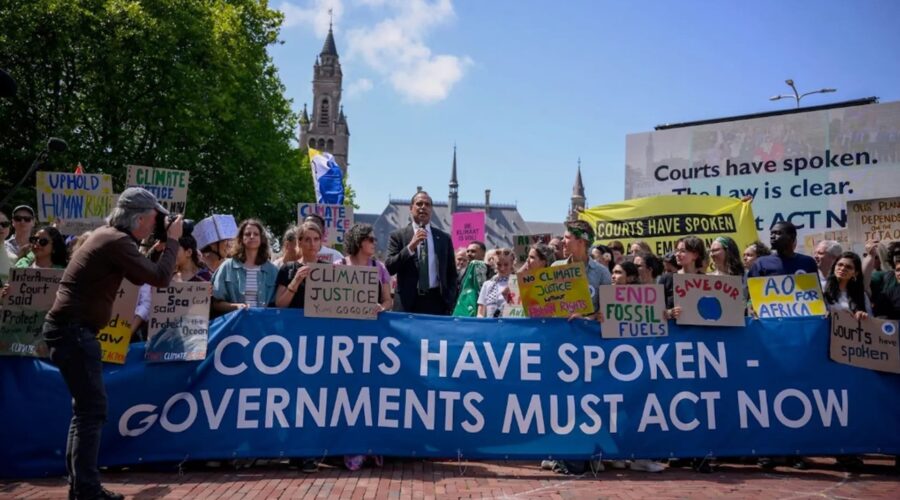
Global Courts and Climate Change: How International Legal Rulings Are Shaping Environmental Policy in 2026

Climate change has increasingly become a central issue in international law. Courts and tribunals around the world are now playing a significant role in shaping environmental policies by interpreting international treaties, reviewing governmental obligations, and holding corporations accountable for environmental harm. In 2026, global courts are influencing how governments and businesses respond to the growing […]
How to Analyze a Court Opinion

Analyzing a court opinion is a fundamental skill for law students, lawyers, and legal researchers. Court opinions explain how judges interpret laws and apply them to specific disputes. Understanding how to read and analyze these decisions allows legal professionals to identify important legal principles, evaluate judicial reasoning, and apply precedent to future cases. Court opinions […]

What Is a Case Brief in Law?

A case brief is a structured summary of a court decision. It condenses a legal opinion into a short, organized format that highlights the most important parts of the case. Law students, lawyers, and legal researchers use case briefs to understand judicial decisions quickly and efficiently. In legal education and practice, court opinions can be […]

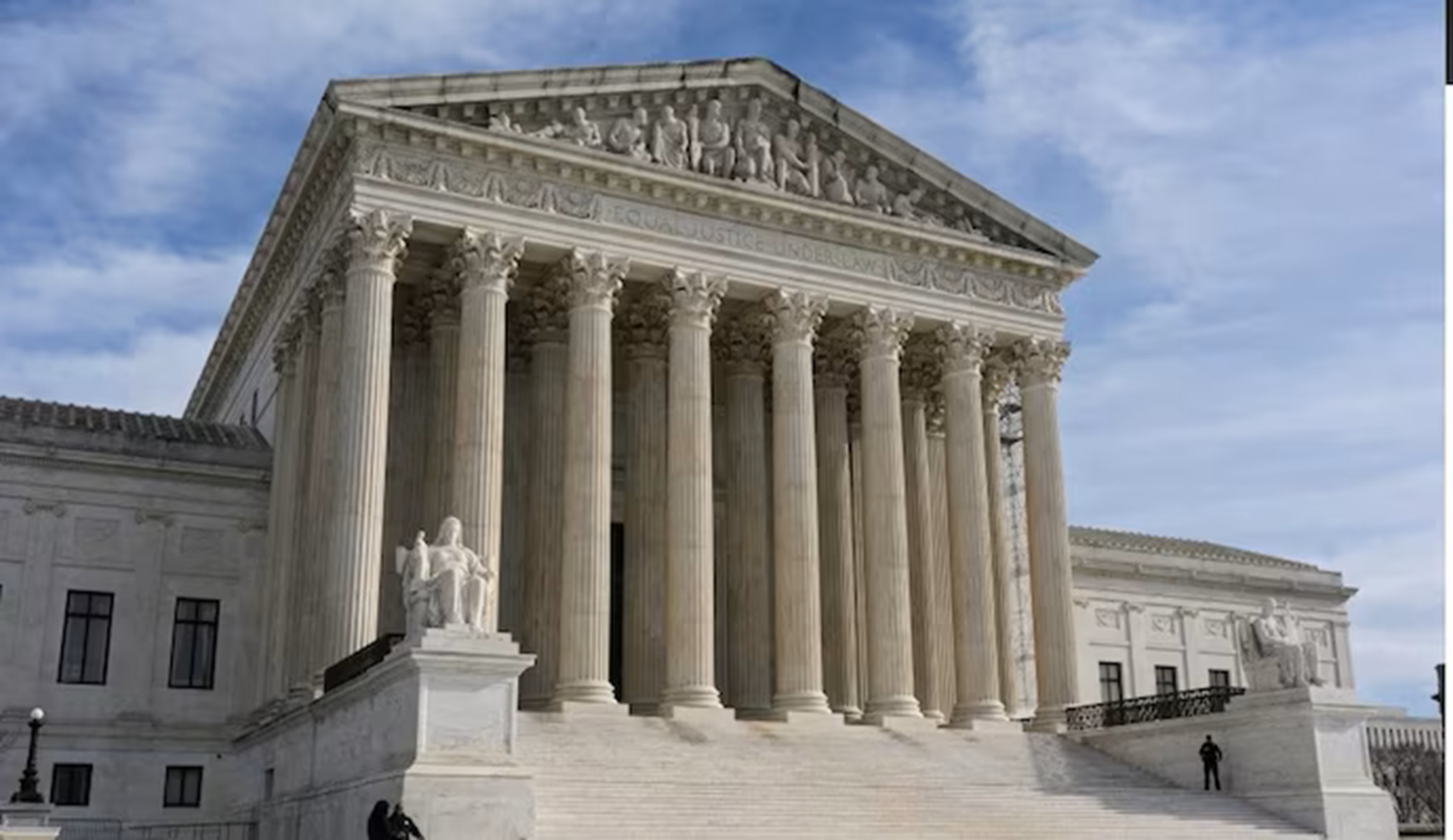
Court

How Courts Interpret Laws: The Principles Behind Judicial Decisions

Courts play a crucial role in the legal system by interpreting laws passed by legislatures. When disputes arise over the meaning or application of a statute, judges must determine how the law should be applied in specific cases. This process is known as judicial interpretation. In the United States, courts rely on established legal principles […]

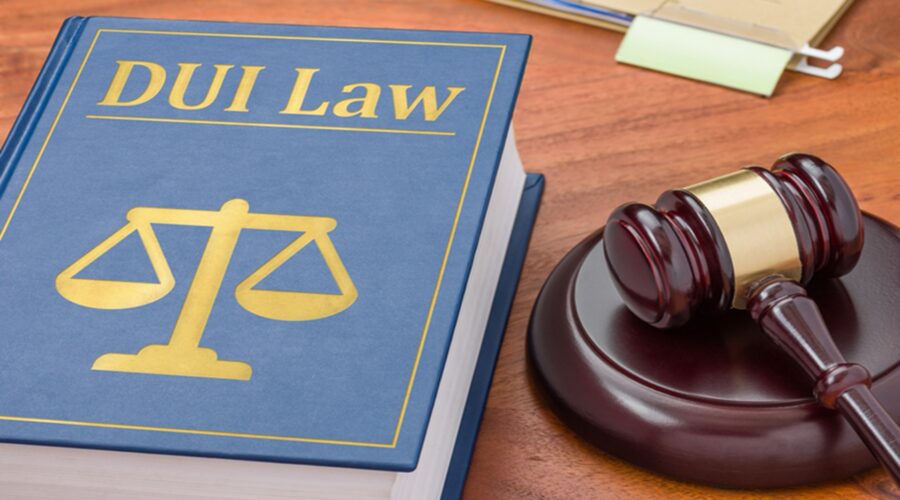
How DUI Laws Differ Across States and Why It Matters

Driving under the influence (DUI) laws exist in every U.S. state, but the rules, penalties, and enforcement procedures vary significantly. While the overall goal is the same—preventing impaired driving and protecting public safety—each state has the authority to create its own DUI regulations. These differences can affect drivers, legal professionals, and law enforcement agencies. Understanding […]

Environmental Law Updates from Federal Courts

Environmental law in the United States is constantly evolving. Federal courts play a critical role in interpreting environmental statutes, resolving disputes between agencies and regulated entities, and shaping how environmental protections are enforced. Through their decisions, federal courts clarify the scope of environmental regulations, define agency authority, and influence national environmental policy. Recent environmental law […]

Workplace Disputes and Legal Remedies Employees Often Overlook

Workplace disputes are common in modern employment environments. Employees may face issues related to discrimination, unpaid wages, wrongful termination, or unsafe working conditions. Workplace disputes law provides legal protections and remedies that employees can use to address these problems. Many workers are unaware of the legal options available to them. Understanding employment rights and the […]

The Legal Framework Behind Real Estate Transactions and Title Transfers

Real estate transactions involve more than simply buying or selling property. Each transaction follows a structured legal process that ensures ownership is transferred correctly and lawfully. Real estate transaction law establishes the rules that govern property sales, title transfers, contracts, and financial obligations. Courts, government agencies, and legal professionals all play roles in ensuring that […]

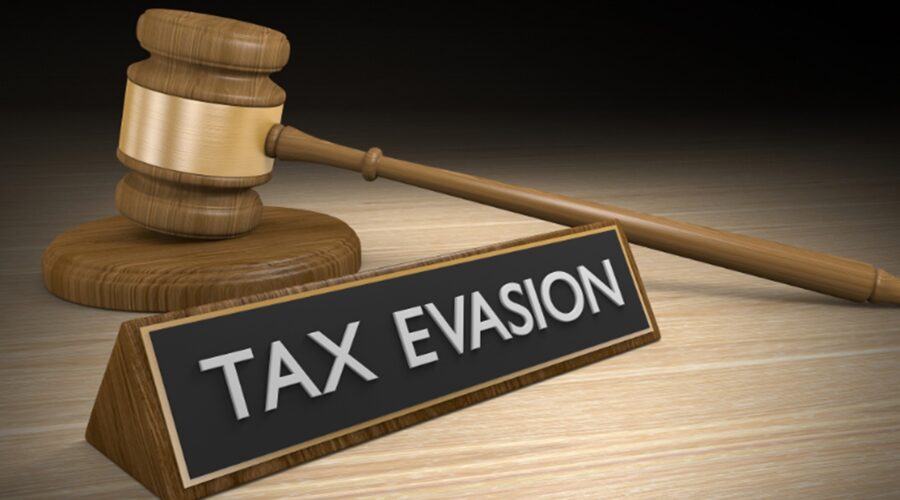
The Legal Consequences of Tax Fraud and Evasion Cases

Tax fraud and tax evasion are serious financial crimes in the United States. Individuals or businesses that intentionally avoid paying legally owed taxes may face severe penalties under federal law. Tax fraud law establishes the legal framework that allows authorities to investigate, prosecute, and penalize those who deliberately violate tax regulations. The legal consequences can […]

Cybercrime Investigations and Digital Evidence in Modern Courts

Cybercrime investigations rely heavily on digital evidence to identify suspects, reconstruct online activity, and prove criminal intent in court. Modern courts must evaluate complex electronic data while ensuring that evidence is collected legally and remains reliable. cybercrime investigation law governs how authorities gather, preserve, and present digital information during criminal proceedings. Digital crimes now affect […]