

 By
By Parents who buy children’s toothpaste are usually trying to make a responsible choice. They check the label, look for something safer, and trust that a product marketed as kid-friendly, natural, or clean isn’t concealing an ingredient they’d never want near their child’s mouth.
That trust is now being tested in the Hello toothpaste lawsuit. Hello Products, now owned by Colgate-Palmolive, is facing legal action over several separate issues:
- Alleged lead and mercury contamination in Hello Kids toothpaste
- A fluoride rinse marketed toward young children
- Concerns about the abrasiveness of its charcoal toothpaste
- Claims that “no artificial sweeteners” labeling was misleading
These cases aren’t all connected, but they share a common thread: did Hello’s marketing make the products seem cleaner and safer than they actually were?
As of now, there’s no Hello toothpaste settlement fund consumers can file a claim against. There’s also no recall connected to the current lead and mercury allegations. A separate, voluntary recall did occur in 2023, involving specific lots of Hello Wild Strawberry Fluoride Toothpaste that were mislabeled as fluoride-free. That earlier recall is unrelated to the ongoing class action lawsuits.
Hello Toothpaste Lawsuit Status in 2026
The most serious of the Hello toothpaste lawsuit centers on allegations of heavy metals in Hello Kids toothpaste. A federal class action filed in 2025 claims certain Hello-branded products, including Hello Kids Dragon Dazzle Fluoride Toothpaste and Hello Kids Fluoride Free Toothpaste Fresh Watermelon, contain or risk containing unsafe levels of lead and mercury. According to the plaintiffs, Hello failed to warn parents of that potential risk.
The lawsuit references testing that reportedly detected 493 parts per billion of lead and 19 parts per billion of mercury in the Fresh Watermelon fluoride-free toothpaste, along with 428.4 parts per billion of lead and 11.8 parts per billion of mercury in the Dragon Dazzle fluoride toothpaste. Hello has pushed back on these claims as part of the broader Hello toothpaste lawsuit, maintaining that its products meet regulatory safety standards.
Both things can be true right now: the lawsuit points to a legitimate safety concern, and none of the allegations have been proven in a courtroom. Parents shouldn’t interpret the lawsuit as confirmation that a child has been harmed, but the issue also shouldn’t be dismissed. Toothpaste is a daily product, young kids frequently swallow some of it, and lead exposure isn’t something anyone expects from a children’s brand.
A separate lawsuit targets Hello’s fluoride rinse. It alleges that Hello Kids Fluoride Rinse, sold in flavors designed to appeal to children like Wild Strawberry and Unicorn Splash, poses a risk because young kids may swallow it rather than spit it out, a concern that’s especially relevant for children under six. The lawsuit isn’t arguing against fluoride itself, since fluoride is effective at preventing cavities when used properly. Instead, it questions whether Hello’s marketing to parents adequately addressed the risk of ingestion.
A third case, involving artificial sweeteners, raises a different issue entirely. It alleges that Hello advertised certain toothpastes as free of artificial sweeteners despite the presence of sorbitol and xylitol. In March 2025, a federal court remanded that case to Cook County, Illinois, without ruling on whether the labeling was accurate or misleading.
What Is Hello Toothpaste?
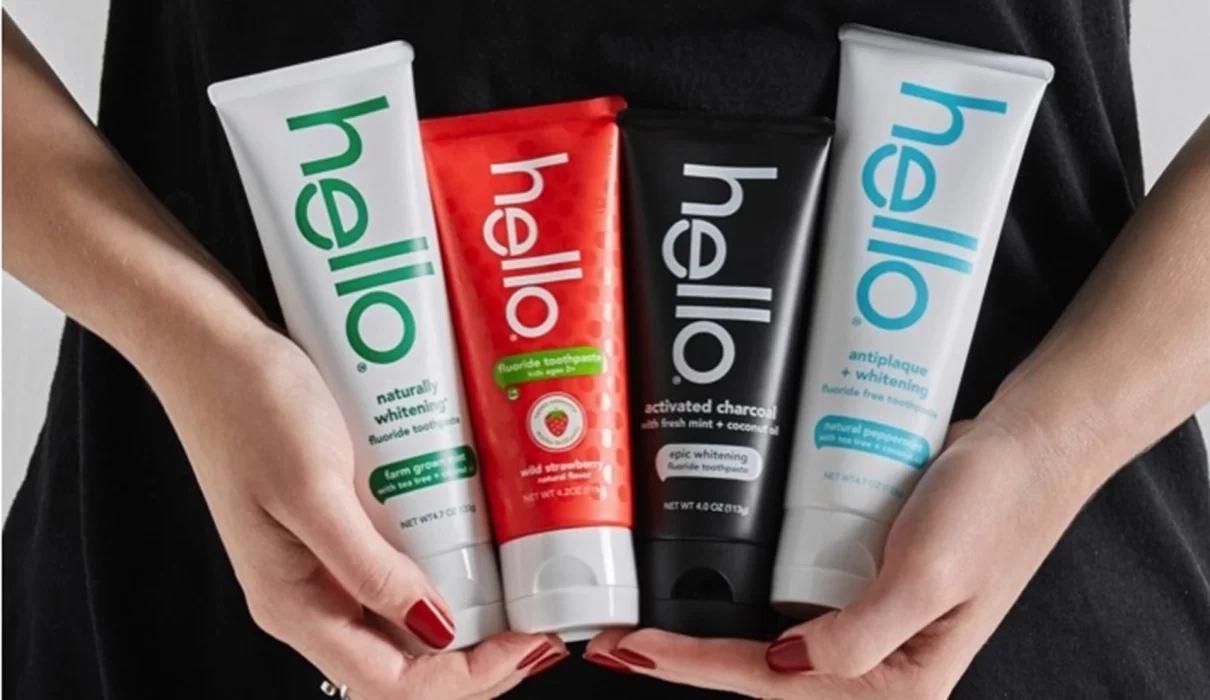
Hello Products positions itself as a fresher, more modern take on traditional toothpaste. Its lineup includes fluoride and fluoride-free toothpaste, kids’ toothpaste, mouthwash, charcoal toothpaste, floss, toothbrushes, and other oral care items.
Packaging plays a major role in Hello’s brand identity. Bright colors, playful product names, natural-sounding claims, and recognizable flavors are designed to draw kids in, which is exactly why parents choose them. A child who resists regular toothpaste might be more willing to brush with something called Dragon Dazzle, Unicorn Splash, Wild Strawberry, or Fresh Watermelon.
There’s nothing inherently wrong with making brushing more appealing to kids; most parents understand that challenge well. The legal concern at the heart of the Hello toothpaste lawsuit arises when a product is marketed around safety and natural ingredients while allegedly omitting information a reasonable parent would want to know.
Colgate-Palmolive’s 2020 acquisition of Hello, which it described at the time as one of the fastest-growing premium oral care brands in the U.S., adds weight to the current lawsuits. This isn’t a small, niche company selling a handful of products online, Hello has significant retail distribution and the backing of a parent company with deep expertise in the oral care industry.
Hello Toothpaste Marketing
Hello’s marketing succeeds because it speaks directly to parents’ instincts. The branding creates an impression that you’re making the cleaner choice, cheerful packaging, reassuring ingredient messaging, and kids’ products that feel less clinical than traditional toothpaste.
That’s precisely why this hello toothpaste lawsuit have drawn attention. Parents aren’t just purchasing toothpaste; they’re placing trust in a brand to be upfront about what matters, particularly for a product used in a child’s mouth twice daily.
The heavy metals lawsuits strike at that trust directly. Plaintiffs argue Hello Kids toothpaste was marketed as safe and natural for children while allegedly containing lead and mercury. Hello is likely to argue that any trace amounts fall within legal limits and that heavy metals exist naturally in the environment. Plaintiffs will likely counter that parents weren’t seeking the legally permissible amount of lead, they were seeking what they believed to be a genuinely safer product.
The fluoride rinse lawsuit makes a comparable argument from a different angle: if a rinse tastes like candy and is packaged to appeal to kids, the manufacturer should anticipate that some young children will swallow it. Plaintiffs contend that Hello’s warning labels didn’t adequately reflect the risk created by its child-focused marketing.
What Are the Hello Toothpaste Lawsuits About?
Lead and Mercury in Hello Kids Toothpaste
The most recent lawsuits allege that Hello Kids toothpaste contains, or risks containing, unsafe levels of lead and mercury. Products named in the litigation include Hello Kids Dragon Dazzle Fluoride Toothpaste and Hello Kids Fluoride Free Toothpaste Fresh Watermelon.
The plaintiffs’ core argument is straightforward: parents were buying toothpaste marketed specifically for children and had no reason to expect lead or mercury to be present. If testing confirms these metals existed at meaningful levels, plaintiffs will argue Hello had an obligation to disclose that risk clearly.
Hello’s defense will likely lean on regulatory limits, the reliability of the testing methods, actual exposure levels, and whether the products are safe when used as intended. That’s why these remain class action consumer cases rather than proven personal injury claims at this stage, a complaint is an allegation, not a finding of fact.
Still, the underlying concern for parents is legitimate. Children are more susceptible to the effects of lead exposure, and young kids don’t always spit out toothpaste completely. A product used twice daily warrants closer scrutiny than something used only occasionally.
Fluoride Rinse Marketed to Young Children
The fluoride rinse lawsuits allege that Hello Kids Fluoride Rinse was marketed in a way that specifically appealed to young children, without adequately warning parents about the risk of swallowing it.
The dispute isn’t about whether fluoride works, it does, when used correctly, to help prevent cavities. The issue is that rinse products function differently than toothpaste. Young children, who often haven’t yet mastered swishing and spitting, are more likely to swallow a rinse.
This concern aligns with guidance from the American Dental Association, which recommends prescription-strength fluoride mouthrinse only for children six and older in appropriate cases, while suggesting fluoride varnish instead for children younger than six. That guidance underscores the lawsuits’ central claim: fluoride rinse products call for age-appropriate use and clear warning labels.
Charcoal Toothpaste and Enamel Damage Concerns
Hello has faced litigation before over its activated charcoal toothpaste. Charcoal toothpaste gained popularity for its distinctive appearance, natural feel, and whitening claims, but dentists have warned that it can be abrasive enough to wear down tooth enamel over time.
That earlier charcoal toothpaste case concluded with a $1.5 million settlement and is now closed. It remains relevant context, though, since it shows this isn’t the first time Hello’s “natural” branding has faced legal challenges.
No Artificial Sweeteners Labeling
A separate lawsuit alleges that Hello marketed certain toothpastes as having “no artificial sweeteners,” despite containing sorbitol and xylitol, sugar alcohols commonly used in oral care products.
This claim is less likely to result in significant individual payouts, since it doesn’t typically involve physical injury. But it follows the same pattern seen across the other cases: consumers allege that front-of-package labeling made the product appear cleaner or more natural than it actually was.
Flavored Toothpaste and Hidden Risks
Flavored children’s toothpaste isn’t inherently dangerous on its own. Plenty of kids dislike traditional mint toothpaste, and a more appealing flavor can actually help parents establish a consistent brushing habit. The issue is that flavor influences behavior.
Toothpaste flavored like strawberry, watermelon, bubble gum, or candy makes children more likely to use too much of it or swallow it outright. Parents are aware of this tendency, and so are the companies selling these products, which is exactly why honest warnings, labeling, and marketing matter so much.
The heavy metals allegations introduce a separate concern. Parents might reasonably accept ordinary risks, like a child accidentally swallowing a small amount of regular fluoride toothpaste, but lead and mercury fall into a different category entirely. These aren’t substances parents expect to find in products marketed as clean, natural, and designed for children.
Has There Been a Hello Toothpaste Recall?
No recall has been issued in connection with the current lead and mercury allegations, nor with the fluoride rinse lawsuits.
There was, however, a voluntary recall in August 2023 affecting six lots of Hello Wild Strawberry Fluoride Toothpaste. The problem stemmed from mislabeling: some tubes were incorrectly marked as Hello Fresh Watermelon Fluoride Free Toothpaste, despite actually containing fluoride. While the outer carton displayed the correct product information, the tube itself lacked the proper fluoride labeling and warnings.
That recall is worth noting because it involved a children’s product, fluoride content, and a labeling error, but it’s a distinct issue from the current heavy metals litigation. The lead and mercury cases remain lawsuits at this point, not recalls, and no court has issued a ruling on liability.
Hello Toothpaste Lawsuit Timeline
Hello Products has come under legal scrutiny multiple times, facing litigation over charcoal toothpaste, fluoride labeling, artificial sweeteners, fluoride rinse marketing, and now alleged heavy metals in its children’s toothpaste line. Below is a timeline of these developments.
Here’s the rephrased timeline:
| Date | Event | Why It Matters |
|---|---|---|
| 2009 – 2011 | Hello Products launches, positioning itself as a friendlier oral care brand. | The company establishes its identity around natural, modern, consumer-friendly toothpaste from the start. |
| 2013 – 2015 | Hello expands into major retail chains and online sales channels. | The brand gains broader visibility among parents seeking natural toothpaste options for their kids. |
| 2019 | A class action targets Hello’s activated charcoal toothpaste marketing. | The suit alleges misleading whitening claims and raises concerns about enamel wear from charcoal-based formulas. |
| 2020 | Colgate-Palmolive announces its acquisition of Hello Products. | Hello joins a major oral care corporation with extensive national retail reach. |
| 2023 | The charcoal toothpaste litigation settles for $1.5 million. | While closed, the settlement remains part of Hello’s broader litigation history. |
| August 2023 | Colgate issues a voluntary recall of six lots of Hello Wild Strawberry Fluoride Toothpaste over incorrect tube labeling. | This recall concerned fluoride labeling errors, not heavy metal contamination. |
| 2023 | Flaherty files suit in Cook County, Illinois, over “no artificial sweeteners” claims. | The case questions whether Hello’s labeling misled consumers, given the presence of sorbitol and xylitol. |
| January 2025 | Miller v. Hello Products is filed concerning Hello Kids Fluoride Rinse. | The lawsuit alleges the rinse was deceptively marketed as safe for preschool-aged children. |
| March 2025 | The Flaherty artificial sweetener case is sent back to Cook County Circuit Court. | The federal court doesn’t rule on the merits; the case simply returns to the state court system. |
| July 2025 | Browne v. Hello Products is filed in federal court, alleging lead and mercury in Hello Kids toothpaste. | The litigation pivots from labeling and warning disputes toward claims of actual heavy metal contamination. |
| 2025 – 2026 | More lawsuits and reports emerge concerning heavy metals in toothpaste, including products marketed to children. | The concern broadens beyond Hello alone, becoming part of a wider conversation about consumer product safety. |
| March 2026 | Related heavy metals cases are consolidated into the Browne litigation in federal court in New York. | Consolidation streamlines the legal process, though no settlement has been reached. |
| June 2026 | The Hello toothpaste lawsuit remain active and unresolved. | There is still no approved settlement, no claim form available, and no recall connected to the current heavy metals allegations. |
Types of Claims in the Hello Toothpaste Lawsuits
Misleading Labeling and False Advertising
A large share of oral care lawsuits begin with what’s printed on the label. Plaintiffs typically argue that companies use language like “safe,” “natural,” “clean,” or “kid-friendly” while omitting facts that would have influenced a parent’s purchasing decision.
In the Hello litigation, the statements being challenged include “no artificial sweeteners,” marketing around the kid-friendly fluoride rinse, packaging that emphasized safety for children’s toothpaste, and the alleged failure to disclose heavy metal content. Plaintiffs contend that parents paid a premium price under the belief that these products were safer or more transparent than standard toothpaste options.
Toxic or Dangerous Ingredients
From a safety perspective, the heavy metals lawsuits are the most significant. They allege that certain Hello Kids toothpaste products contain, or risk containing, lead and mercury. No court has yet found Hello or Colgate liable, but the allegations carry weight given that these are children’s products used on a daily basis.
The charcoal toothpaste claims followed a different track, centering on abrasiveness and potential enamel damage. The fluoride rinse claims differ as well, focusing instead on the risk of children swallowing the product and whether it was marketed to young kids without sufficient warning.
Lack of Proper Warnings
Warning-related claims sit at the heart of the fluoride rinse litigation. Plaintiffs say they weren’t adequately informed that fluoride mouthrinse shouldn’t be given to young children without a dentist’s recommendation. Federal regulations governing fluoride anticavity products require warnings about the risk of accidental swallowing.
This is where Hello’s child-oriented packaging becomes legally significant. Plaintiffs are expected to argue that the more a company designs fluoride products to appeal to kids, the greater its responsibility to clearly warn parents of the risks.
Refund and Economic Loss Claims
Most of the current Hello lawsuits are structured as consumer class actions, meaning the core harm alleged is typically financial rather than physical. Plaintiffs argue they paid for products they either wouldn’t have purchased, or wouldn’t have paid as much for, had they known the full facts.
This is also why individual payouts in these types of cases tend to be modest unless a physical injury can be proven. Even a substantial settlement fund often translates into relatively small payments once divided among individual consumers.
Potential Hello Toothpaste Settlement Amounts
At this time, there’s no settlement fund established for either the heavy metals or fluoride rinse lawsuits, no claim form available, and no approved payout structure.
If these cases do eventually settle, the most probable outcome for everyday consumers would be a refund-based arrangement, typically involving small payments calculated based on how many qualifying products a consumer bought and whether they can provide proof of purchase. It’s not a dramatic outcome, but it reflects how most consumer class action settlements are actually structured.
| Claim Type | Possible Value Range | What Would Drive Value |
|---|---|---|
| Standard consumer refund claim | Typically modest, often under $50 | Whether proof of purchase exists, how many qualifying products were bought, and whether a settlement class is ultimately approved by the court. |
| False advertising or labeling claim with strong evidence | May yield higher refunds or statutory damages depending on applicable state law | Clear evidence of misleading statements, premium pricing tied to those claims, solid proof of consumer reliance, and a broadly certified class. |
| Minor dental issues or ingestion-related harm | Could range from several hundred to a few thousand dollars depending on the evidence | Documented medical or dental records, a clear history of product use, and a healthcare provider connecting the harm to the product. |
| Serious injury claim | Potentially significant, though this isn’t the primary type of claim seen in the current litigation | A confirmed diagnosis, strong proof of causation, supporting product testing, expert medical testimony, and a well-documented exposure history. |
Realistically, most Hello toothpaste settlement amounts will likely be modest for the average consumer. These are consumer class actions, and absent proof of an actual injury caused by the product, payouts tend to resemble refunds rather than substantial compensation.
A serious personal injury claim would follow a different path, but it requires solid evidence. A parent pursuing this route would need documentation of product use, medical records, testing results where available, and a medical professional’s opinion linking the alleged exposure to the child’s condition.
What Parents Should Do Now
If you have concerns about Hello toothpaste lawsuit or any children’s toothpaste product, start with practical steps. Note the exact product name, flavor, lot number, and date of purchase. Hold onto the tube and packaging if you still have them, and take photos before discarding anything.
If your child swallowed a significant amount of fluoride rinse or toothpaste and is showing symptoms, contact your doctor or Poison Control right away. If heavy metals are your primary concern, speak with your pediatrician about whether blood lead testing is appropriate for your child. There’s no need to assume the worst, but a reasonable concern shouldn’t be brushed aside either.
For standard refund claims, consumers will generally need to wait until a settlement is reached and a claim form becomes available. For a potential injury claim, the specific facts of the situation need to be carefully evaluated, ideally with professional guidance.
Conclusion
The Hello toothpaste lawsuit ultimately comes down to a question of trust: did Hello’s marketing promise parents something its products didn’t fully deliver? Across the heavy metals allegations, fluoride rinse concerns, charcoal toothpaste claims, and artificial sweetener labeling dispute, none of which have resulted in a court finding of liability, the common theme is that parents say they relied on Hello’s safe, natural, and kid-friendly branding when making a daily purchase for their children. Right now, there’s no settlement fund, no claim form, and no recall tied to the current allegations, so there’s nothing for consumers to formally act on yet.
What matters most for parents is staying informed without overreacting. If you’ve purchased any of the products named in these cases, it’s worth holding onto packaging and proof of purchase, while reaching out to a doctor or dentist if there’s an actual health concern. The Hello toothpaste lawsuit is likely to take months, if not longer, to resolve, but as the litigation moves through the courts, it will become clearer whether parents are owed a refund, a larger settlement, or nothing at all.
