

 By
By The Mielle Organics hair loss lawsuit has become one of the most talked-about product liability cases in the natural hair care industry. Thousands of consumers have reported severe hair loss, scalp irritation, and permanent damage after using Mielle Organics products, particularly their bestselling Rosemary Mint Scalp & Hair Strengthening Oil. What makes this especially alarming is that many affected consumers trusted Mielle Organics precisely because of its reputation as a safe, natural brand celebrated by women with curly and textured hair.
Victims describe outcomes far beyond minor irritation, including clumps of hair falling out, visible bald patches, inflamed scalps, and damage that has not reversed even after stopping use. What began as scattered social media complaints has since grown into a serious legal effort, with attorneys across the country actively investigating claims. If you or someone you know has been affected, here is everything you need to know about the Mielle Organics hair loss lawsuit and what you can do next.
How Viral Fame Turned Into Legal Action
What started as a TikTok trend quickly became a consumer crisis. Mielle Organics Rosemary Mint Oil exploded in popularity in late 2022 and early 2023, attracting millions of new customers almost overnight. But as sales surged, so did complaints.
Users began reporting unexpected hair shedding, scalp burns, thinning edges, and bald patches. The backlash spread across social media platforms, and soon, legal professionals began taking notice. The Mielle Organics hair loss lawsuit grew from scattered consumer frustration into a serious and organized legal matter.
Which Mielle Organics Products Are Involved?
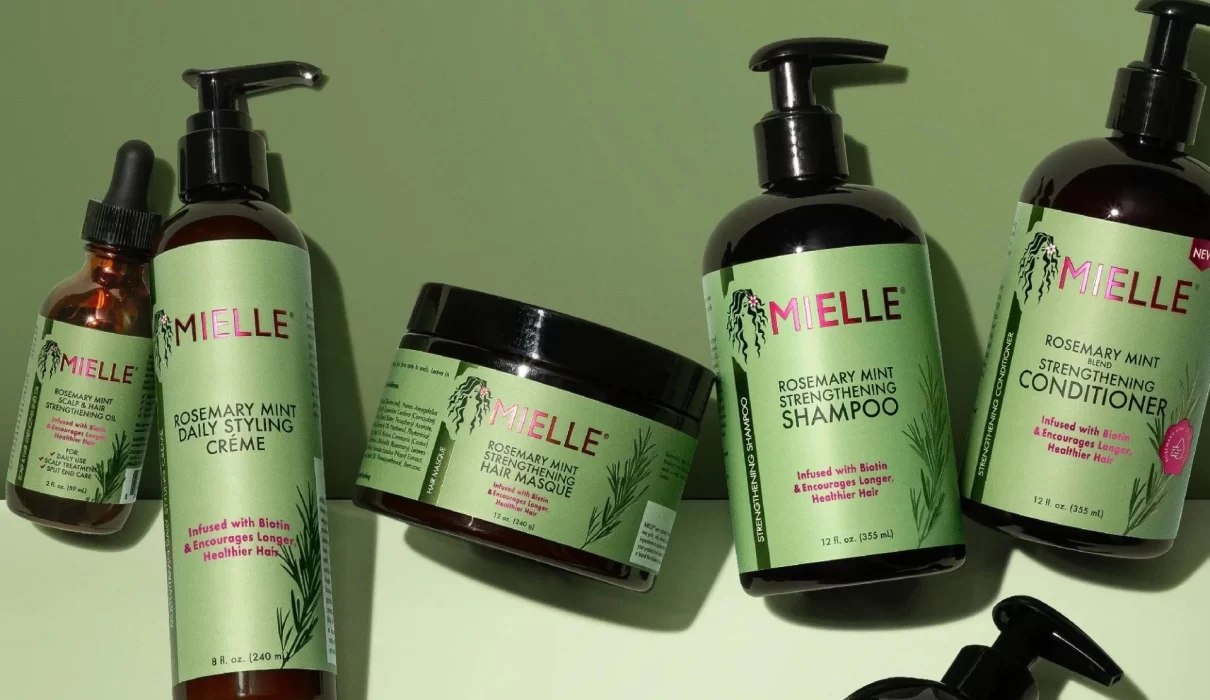
While multiple products have been mentioned in consumer complaints, the most frequently cited in the Mielle Organics hair loss lawsuit include:
- Mielle Organics Rosemary Mint Scalp & Hair Strengthening Oil
- Mielle Organics Mongongo & Hemp Seed Oils Blend
- Mielle Organics Babassu & Mint Deep Conditioner
- Various Mielle shampoos and leave-in conditioners
The Rosemary Mint Oil remains the focal product, with thousands of negative reviews and social media posts documenting hair loss, scalp irritation, thinning edges, and bald patches.
What Are Consumers Claiming?
Plaintiffs and complainants in the Mielle Organics hair loss lawsuit allege a range of injuries and legal violations, including:
- Severe hair shedding and thinning after regular product use
- Scalp burns and inflammation caused by product ingredients
- Bald spots and edge loss, especially in women with natural hair
- False advertising claims, as the products were marketed as hair strengthening, not damaging
- Failure to warn consumers about potential side effects or ingredient risks
- Negligent formulation that did not meet safety standards
Several consumers have also pointed to ingredient concentrations, including high levels of peppermint and rosemary essential oils, which may cause irritation when applied directly to the scalp without dilution.
Has a Class Action Lawsuit Been Filed?
Yes. Legal filings related to the Mielle Organics hair loss lawsuit have been initiated, with attorneys exploring class action status on behalf of affected consumers. A class action lawsuit allows a large group of people who suffered similar harm to collectively sue the responsible party.
Law firms across the United States have been actively soliciting clients who experienced hair loss or scalp damage after using Mielle Organics products. This is a strong indicator that the legal community believes there is merit in these claims.
Class action suits in product liability cases like this typically allege:
- Defective product design
- Failure to include adequate safety warnings
- Deceptive or misleading marketing
- Breach of implied or express warranty
If the lawsuit achieves class action certification, eligible consumers may receive financial compensation without individually filing lawsuits.
What Does Mielle Organics Say?
Mielle Organics has publicly defended the safety of their products. The brand, which was acquired by Procter & Gamble in 2023, stated that their formulations comply with cosmetic safety standards. They suggest that individual reactions may stem from pre-existing scalp conditions or improper use.
However, critics argue that the sheer volume of complaints, across multiple social platforms and in formal legal filings, points to a systemic issue rather than isolated incidents. The Mielle Organics hair loss lawsuit continues to grow as more affected consumers come forward.
What Can Victims Do? Steps to Take Right Now
If you believe you have been harmed by a Mielle Organics product, here are the steps you should take immediately:
1. Stop Using the Product Discontinue use of any Mielle Organics products you suspect may be causing harm to your hair or scalp.
2. Document Your Injuries Take clear photographs of your scalp, hair loss areas, and any irritation. Keep timestamped records.
3. Save All Product Packaging and Receipts Physical evidence such as product labels, batch numbers, and purchase receipts will be critical in any legal claim.
4. Seek Medical Attention Visit a dermatologist or trichologist to get a professional assessment of your hair and scalp condition. Medical records strengthen legal claims significantly.
5. File a Complaint with the FDA Cosmetic product complaints can be submitted directly to the U.S. Food and Drug Administration through their MedWatch portal.
6. Contact a Product Liability Attorney Many attorneys handling the Mielle Organics hair loss lawsuit offer free consultations. A qualified lawyer can assess your situation and advise you on eligibility.
Who Is Eligible to Join the Mielle Organics Lawsuit?
You may be eligible to participate in or file claims related to the Mielle Organics hair loss lawsuit if:
- You purchased and used a Mielle Organics product, especially the Rosemary Mint Oil
- You experienced hair loss, thinning, scalp damage, or irritation after use
- Your symptoms appeared or worsened after beginning use of the product
- You have medical or photographic documentation of your condition
Eligibility criteria can vary depending on the specific legal action, so consulting an attorney is the most reliable way to determine your options.
Final Thoughts
The Mielle Organics hair loss lawsuit highlights a critical issue in the beauty industry: the need for greater accountability in product safety and transparency in marketing. Natural and organic labels do not automatically guarantee that a product is safe for all hair or scalp types. Whether you are a current victim or simply want to stay informed, understanding your legal rights is the first step toward justice. The growing Mielle Organics hair loss lawsuit signals that consumers are demanding more from the brands they trust.
Key takeaways
- The Mielle Organics hair loss lawsuit involves thousands of complaints about hair loss and scalp damage.
- The Rosemary Mint Oil is the most frequently cited product.
- Class action legal filings are underway, and victims may be entitled to compensation.
- Documenting injuries, saving product evidence, and consulting an attorney are the most important first steps.
- Affected consumers should also file complaints with the FDA to support regulatory action.
