

 By
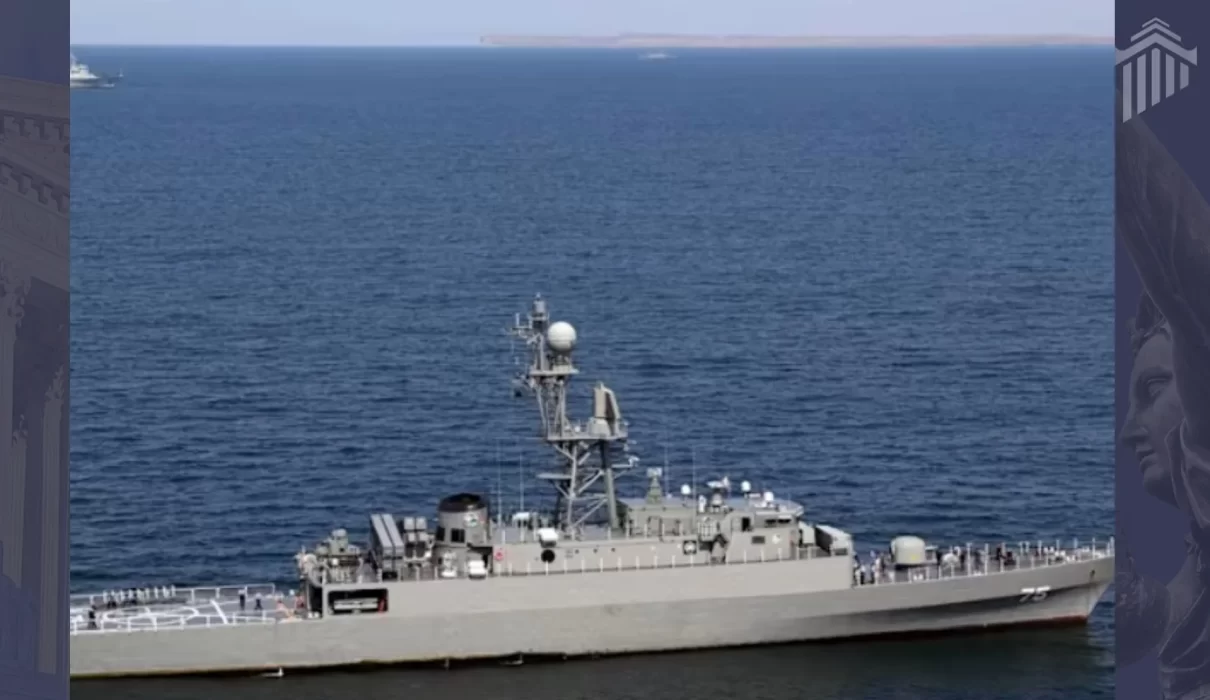
By The sinking of an Iranian warship by the United States in early March 2026 marks a dramatic escalation in the ongoing conflict between Washington and Tehran. What makes this incident particularly significant is not just the military action itself, but where it occurred, in the Indian Ocean near Sri Lanka, far from the traditional Middle East theater.
The strike has raised serious geopolitical questions, especially for countries in South and Southeast Asia, which now find themselves closer to the fault lines of a widening conflict. Below are five key questions that explain the incident and its broader implications.
1. What Exactly Happened?
On March 4, 2026, a U.S. Navy submarine launched a torpedo strike against the Iranian warship IRIS Dena, sinking it in international waters near Sri Lanka. The vessel had recently participated in a multinational naval exercise hosted by India and was reportedly returning home when it was attacked.
The strike killed dozens of Iranian sailors, with several others missing or rescued by Sri Lankan authorities.
This marked a rare and historically significant moment. It was the first time since World War II that a U.S. submarine sank an enemy surface warship using a torpedo.
The attack was part of a broader U.S. military campaign targeting Iranian naval assets amid escalating hostilities across multiple regions.
2. Why Did the US Target the Warship?
The United States has framed its broader military actions as part of a campaign to neutralize Iran’s naval and missile capabilities, particularly those threatening key global shipping routes such as the Strait of Hormuz.
Officials have claimed that Iranian naval forces, including drones, mines, and fast attack boats, pose a significant risk to commercial shipping and energy supplies. U.S. forces have reportedly destroyed multiple Iranian vessels as part of this ongoing operation.
However, critics argue that the IRIS Dena was not actively engaged in hostilities at the time of the strike. Some analysts and officials have described the attack as controversial and potentially destabilizing, especially given its proximity to neutral waters and international naval activity.
Iran has condemned the strike as an act of aggression and warned of retaliation.
3. Why Is the Location So Significant?
Unlike previous clashes centered in the Persian Gulf, this strike occurred near Sri Lanka in the Indian Ocean, bringing the conflict much closer to South Asia and vital maritime routes.
This region is one of the busiest shipping corridors in the world, linking Asia, the Middle East, and Europe. Any military escalation here could disrupt global trade, especially energy shipments.
The location also raises questions for regional powers like India and Sri Lanka. Reports suggest the Iranian warship had recently been involved in an international naval event hosted by India, making the strike diplomatically sensitive.
Analysts warn that such incidents expose gaps in regional maritime awareness and security coordination, potentially undermining the credibility of local powers.
4. Could This Affect Southeast Asia?
While the strike did not occur directly in Southeast Asia, its implications for the region are significant.
Threat to Sea Lanes
Southeast Asia depends heavily on maritime trade routes, including the Strait of Malacca, one of the world’s most critical shipping chokepoints. Any expansion of conflict into the Indo Pacific could threaten these routes, increasing shipping costs and insurance premiums.
Economic Impact
The broader conflict has already disrupted energy markets. Attacks on oil infrastructure and shipping routes have pushed global oil prices higher, raising concerns about inflation and economic instability.
For Southeast Asian economies, many of which are energy importers, this could translate into higher fuel costs and slower growth.
Military Tensions
The incident signals that the U.S. Iran conflict is no longer geographically contained. Southeast Asian nations may face increased pressure to choose sides or enhance their defense preparedness, particularly in maritime security.
5. What Happens Next?
The sinking of the Iranian warship is unlikely to remain an isolated incident. Iran has already vowed retaliation, raising fears of further naval clashes.
Meanwhile, the United States continues to expand its military operations, targeting Iranian assets across multiple domains, including naval forces and infrastructure.
Experts warn that the conflict could evolve in several ways:
- Escalation at sea with increased attacks on vessels in the Indian Ocean and beyond
- Wider regional involvement with more countries drawn into the conflict
- Economic fallout with prolonged disruption to global energy and trade systems
The longer the conflict continues, the greater the risk that it spreads into new regions, including Southeast Asia.
Conclusion
The sinking of the Iranian warship IRIS Dena is more than just a military incident. It is a signal that the U.S. Iran conflict is expanding beyond its traditional boundaries.
For Southeast Asia, the concern is not immediate military confrontation, but strategic vulnerability. The region sits at the crossroads of global trade and energy flows, making it highly sensitive to disruptions caused by distant conflicts.
As tensions continue to rise, governments across Asia will need to closely monitor developments, strengthen maritime security, and prepare for potential economic shocks.
In an increasingly interconnected world, even a single naval strike thousands of kilometers away can have far reaching consequences.
