

 By
By Courts play a crucial role in the legal system by interpreting laws passed by legislatures. When disputes arise over the meaning or application of a statute, judges must determine how the law should be applied in specific cases. This process is known as judicial interpretation.
In the United States, courts rely on established legal principles and interpretive methods to ensure that laws are applied fairly, consistently, and in accordance with constitutional requirements.
The Role of the Judicial Branch
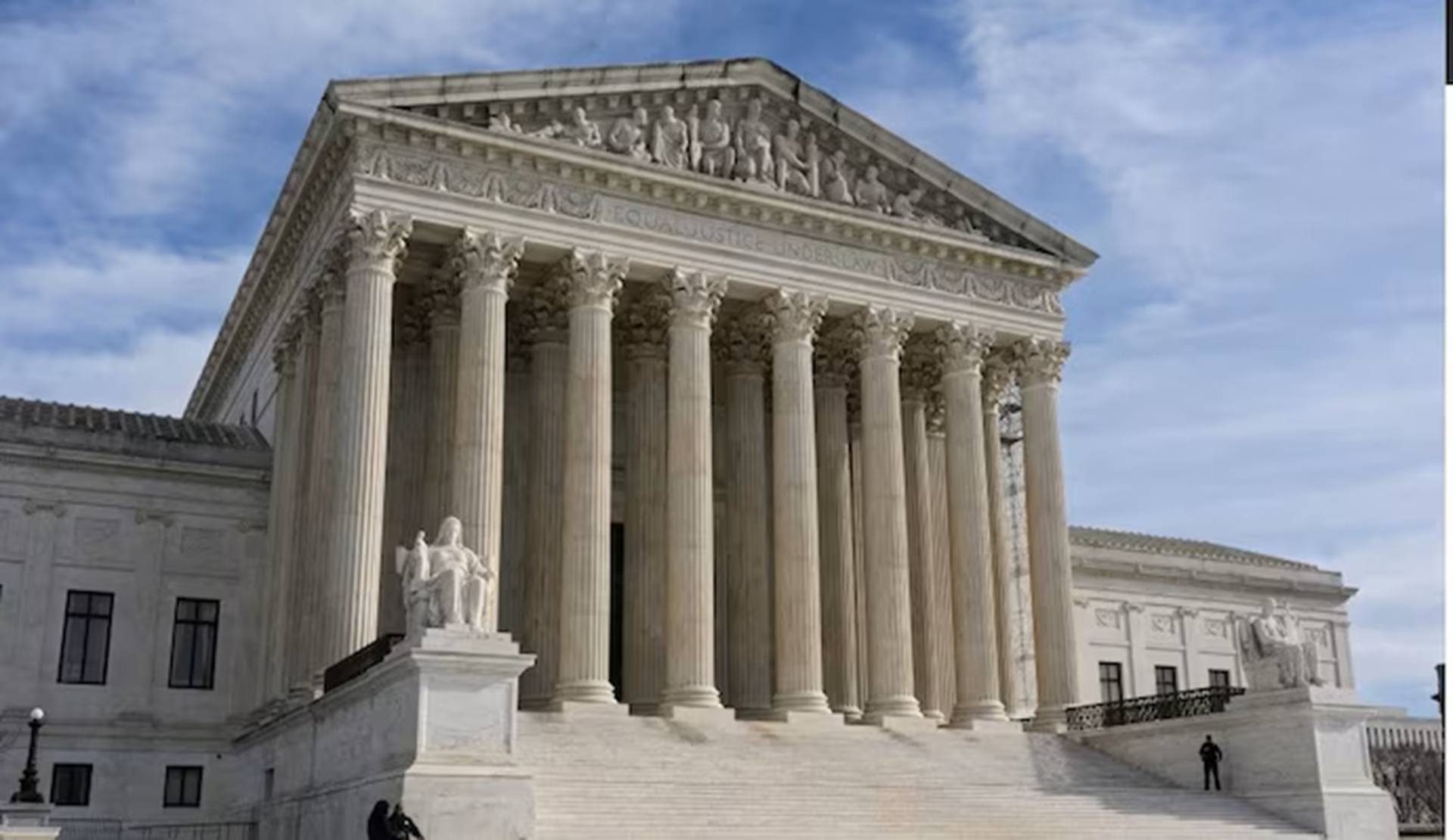
The power to interpret laws is a core function of the judicial branch. Federal courts, including the Supreme Court of the United States, review legislation and government actions to determine whether they comply with the Constitution.
This authority was firmly established in the historic case of Marbury v. Madison, which created the doctrine of judicial review. Under this principle, courts can invalidate laws that violate the Constitution.
Judicial interpretation ensures that statutes are applied according to legislative intent and constitutional principles.
Textualism: Focusing on the Words of the Law
One of the most common approaches to interpreting statutes is textualism. Judges who follow this method focus on the plain meaning of the words used in the law.
Textualist judges believe that courts should rely on the actual text of the statute rather than attempting to guess the intentions of lawmakers. If the language of the law is clear, textualists argue that courts should apply it as written.
Many modern judges, including some members of the Supreme Court, rely heavily on textualist interpretation.
Intentionalism: Understanding Legislative Intent
Another approach is intentionalism, which focuses on the intent of lawmakers when they passed the legislation. Judges using this method may examine legislative history, committee reports, and congressional debates to understand what lawmakers intended to achieve.
Intentionalism can be useful when statutory language is ambiguous or when applying the law strictly would lead to unreasonable results.
The Use of Legal Precedent
Courts also rely heavily on precedent when interpreting laws. Precedent refers to prior judicial decisions that guide courts in deciding similar cases.
This principle is known as stare decisis, which means “to stand by things decided.” By following precedent, courts promote stability and predictability in the legal system.
A well-known example of the influence of precedent is the case of Brown v. Board of Education, which overturned earlier segregation rulings and established new constitutional principles regarding equal protection.
Constitutional Interpretation
When courts interpret constitutional provisions, the process can become even more complex. Judges must determine how constitutional language applies to modern issues that the framers may not have anticipated.
Two major approaches to constitutional interpretation include:
- Originalism, which focuses on the original meaning of constitutional text at the time it was written
- Living constitutionalism, which views the Constitution as evolving to address modern circumstances
Debates between these interpretive philosophies often influence major constitutional decisions.
The Role of Canons of Construction
Judges also rely on canons of construction, which are traditional rules used to interpret statutes. These rules help courts resolve ambiguities and determine the scope of legal provisions.
Common canons include:
- Reading statutes as a whole rather than focusing on isolated sections
- Interpreting unclear language in a way that avoids constitutional conflicts
- Assuming that lawmakers do not include unnecessary or redundant language
These interpretive tools help courts apply laws consistently and logically.
Why Judicial Interpretation Matters
Judicial interpretation has significant effects on how laws function in practice. Courts clarify ambiguous statutes, resolve legal conflicts, and ensure that laws align with constitutional principles.
In some cases, judicial interpretations can influence public policy and reshape entire areas of law.
Because of this influence, judicial decisions often attract public attention, especially when they involve controversial legal issues.
Conclusion
Courts play a vital role in interpreting laws and ensuring that they are applied fairly and consistently. Through principles such as textualism, legislative intent, precedent, and constitutional interpretation, judges analyze statutes and determine their meaning in real-world situations.
By relying on established interpretive methods, courts maintain stability in the legal system while addressing new legal challenges. Judicial interpretation ultimately ensures that laws remain effective, constitutional, and responsive to the needs of society.
