

 By
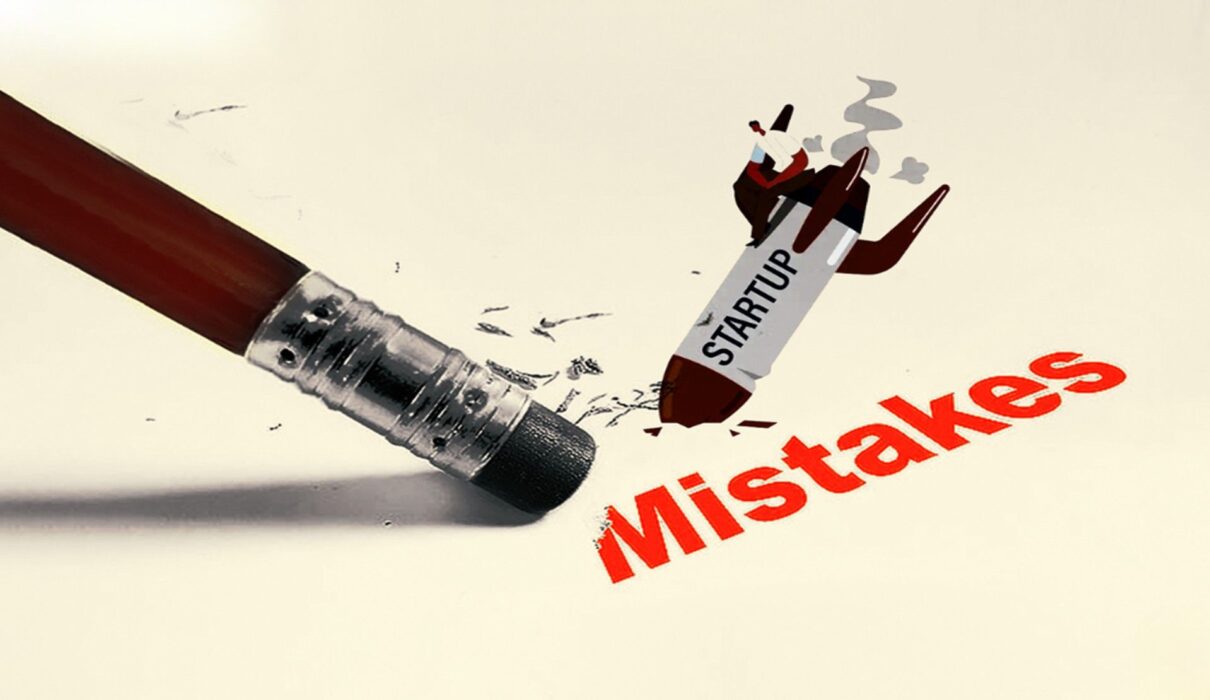
By Many startups fail not because of weak ideas but because of legal problems that appear early in the business lifecycle. Founders often focus on product development, marketing, and funding while overlooking legal structure and compliance. Startup legal mistakes can lead to lawsuits, financial penalties, and loss of investor confidence.
Corporate law provides the legal framework that protects founders, investors, and the company itself. Understanding common legal pitfalls helps entrepreneurs avoid disputes and build a strong foundation for long-term business growth.
Choosing the Wrong Business Structure
Selecting the right legal structure is one of the most important decisions a startup makes. Many founders choose a structure quickly without fully understanding the legal and financial consequences. The decision affects liability protection, taxation, and how easily the company can raise capital.
Common business structures include:
- Sole proprietorship
- Partnership
- Limited Liability Company (LLC)
- C-Corporation
- S-Corporation
For example, venture capital firms often prefer investing in C-corporations because they allow stock issuance and structured ownership. If a startup begins with the wrong structure, restructuring later can become complicated and expensive.
Failing to Separate Personal and Business Finances
Another common issue occurs when founders mix personal finances with business operations. This practice can weaken the legal protection provided by a corporate entity. Courts may determine that the business is not operating independently from its owners.
When this occurs, the court may allow creditors to pursue the founder’s personal assets. To prevent this issue, startups should maintain clear financial separation by:
- Opening a dedicated business bank account
- Keeping detailed accounting records
- Avoiding personal purchases through business accounts
Maintaining financial separation helps preserve the legal protections offered by corporate structures.
Ignoring Founder Agreements
Many startups begin as collaborations between friends, colleagues, or classmates. While trust may exist at the start, disagreements can emerge once the business begins generating revenue or attracting investors.
A founder agreement helps prevent future disputes by clearly defining key issues such as:
- Ownership percentages
- Roles and responsibilities
- Decision-making authority
- Equity vesting schedules
- Exit terms if a founder leaves
Without clear documentation, internal conflicts can escalate and damage the company’s operations.
Improper Handling of Intellectual Property
Intellectual property is often the core asset of a startup. Software code, product designs, brand names, and proprietary processes may represent the company’s primary value. If these assets are not properly protected, the business may lose control over them.
Startups should ensure that intellectual property rights are clearly assigned to the company. Important protective steps include:
- Registering trademarks for brand identity
- Securing patents for unique inventions
- Using contracts that assign ownership of work created by employees or contractors
- Protecting confidential information with non-disclosure agreements
These protections ensure that the startup retains ownership of its innovations.
Misclassifying Employees and Contractors
Startups frequently rely on freelancers and independent contractors to reduce operational costs. However, misclassifying workers can lead to serious legal consequences. Labor laws establish strict criteria for determining whether a worker qualifies as an employee or an independent contractor.
Misclassification can result in several legal and financial risks:
- Tax penalties and unpaid payroll taxes
- Claims for unpaid wages or benefits
- Violations of labor and employment laws
- Government investigations or audits
Proper classification ensures compliance with employment regulations and reduces legal exposure.
Violating Securities Laws During Fundraising
Raising capital is a critical stage for many startups, but it must be done within the limits of securities regulations. Even privately held companies must follow legal requirements when offering ownership shares to investors.
Common fundraising mistakes include:
- Offering shares without proper disclosure documents
- Ignoring investor qualification requirements
- Failing to document investment agreements
- Violating federal or state securities regulations
Failure to comply with these laws can lead to investor lawsuits or regulatory penalties. Avoiding these startup legal mistakes is particularly important during fundraising.
Poorly Drafted Contracts
Contracts define the legal relationships between a startup and its partners, customers, employees, and service providers. Some startups rely on informal agreements or generic templates that do not fully protect the company’s interests.
Important contracts for startups often include:
- Founder agreements
- Employment contracts
- Non-disclosure agreements
- Vendor and service agreements
- Partnership agreements
Well-written contracts clarify expectations and provide legal protection if disputes arise.
Neglecting Regulatory Compliance
Every industry has specific regulations that businesses must follow. Some startups launch services without fully researching licensing requirements or regulatory obligations.
Regulatory compliance often includes:
- Business licensing requirements
- Consumer protection laws
- Industry safety regulations
- Financial reporting obligations
Ignoring these rules can result in fines, operational restrictions, or forced closure of the business.
Overlooking Data Privacy and Cybersecurity Laws
Modern startups frequently collect customer data through websites, mobile apps, or digital platforms. Data privacy laws require companies to protect this information and inform users about how their data is used.
Key data protection responsibilities include:
- Publishing clear privacy policies
- Protecting stored customer data
- Implementing cybersecurity safeguards
- Reporting data breaches when required
Strong data protection practices help prevent legal liability and maintain customer trust.
Weak Shareholder and Investor Protections
As startups grow, outside investors often join the business. Without clear governance rules, disputes may arise between founders and shareholders.
Shareholder agreements should define important rights such as:
- Voting authority
- Dividend distribution policies
- Access to financial information
- Exit rights during acquisitions or company sales
Clear governance structures help maintain transparency and protect all stakeholders.
Delaying Legal Guidance
Some founders avoid consulting legal professionals during the early stages of their business to reduce expenses. However, unresolved legal issues can become much more costly later.
Legal professionals can assist startups with:
- Business formation and structure
- Intellectual property protection
- Contract drafting and review
- Compliance with regulatory requirements
Early legal guidance often prevents serious problems from developing in the future.
Building a Legally Strong Startup
Preventing legal problems requires careful planning from the earliest stages of a startup. Entrepreneurs should treat legal organization as a core part of their business strategy.
Taking proactive legal steps helps protect the company, its founders, and its investors. It also strengthens the startup’s credibility when seeking partnerships or investment opportunities.
Conclusion
Legal problems can quietly undermine even the most promising startups. Issues involving corporate structure, intellectual property ownership, employment classification, and investor agreements can escalate into serious challenges if ignored.
Understanding common startup legal mistakes allows entrepreneurs to anticipate risks and implement safeguards before problems arise. By prioritizing legal compliance and strong documentation, startups can create a stable foundation that supports sustainable growth.
Summary
- Legal issues are a common reason why startups fail.
- Choosing the wrong corporate structure can create tax and liability problems.
- Mixing personal and business finances may expose founders to personal liability.
- Founder agreements are necessary to prevent ownership and management disputes.
- Intellectual property must be protected to maintain ownership of innovations.
- Worker misclassification can lead to tax penalties and labor law violations.
- Securities regulations must be followed when raising investment funds.
- Proper contracts, regulatory compliance, and data protection policies reduce legal risk.
- Early legal guidance helps startups avoid costly legal disputes.
