

 By
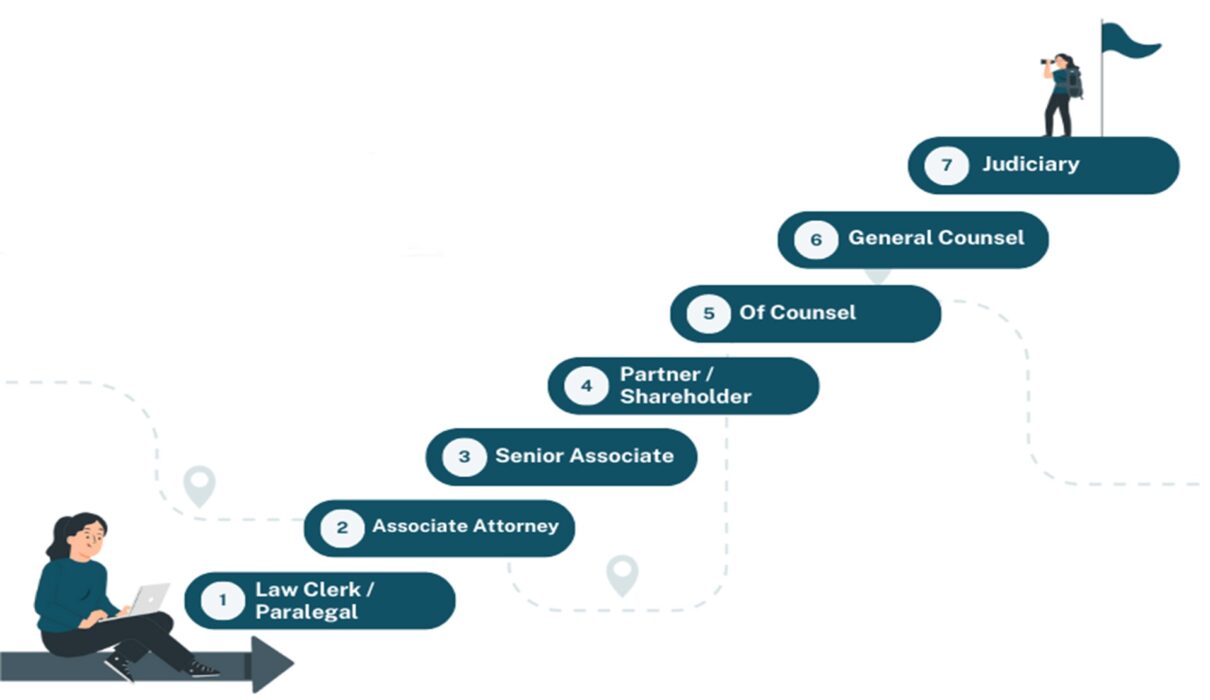
By Legal career paths refer to the different professional roles available to individuals with a law degree or legal training. These roles exist in law firms, government agencies, corporations, courts, and nonprofit organizations. Understanding legal career paths helps students and professionals choose a direction that fits their skills, interests, and long-term goals.
The legal profession offers a wide range of opportunities beyond traditional courtroom practice. Lawyers may work in advisory roles, corporate environments, public service, or specialized legal fields.
What Are Legal Career Paths
Legal career paths describe the various professional routes that individuals can pursue after completing legal education. These paths may involve practicing law directly or working in related fields that require legal knowledge.
Common factors influencing career choices include:
- Personal interests and strengths
- Preferred work environment
- Salary expectations
- Work-life balance
- Long-term professional goals
Understanding these factors helps law graduates select careers that align with their ambitions.
Private Practice Lawyer
Private practice is one of the most traditional legal careers. Lawyers working in private practice represent individuals, businesses, or organizations in legal matters.
Typical responsibilities include:
- Advising clients on legal rights and obligations
- Drafting contracts and legal documents
- Representing clients in negotiations
- Handling court cases and legal disputes
Private practice lawyers may work in large law firms, small firms, or operate their own independent practice.
Corporate Counsel
Corporate counsel, also known as in-house lawyers, work directly for businesses or corporations. Their primary role is to manage legal issues that affect the company’s operations.
Common duties include:
- Reviewing business contracts
- Ensuring regulatory compliance
- Managing legal risks for the company
- Advising executives on legal decisions
Many professionals choose this path because it offers a stable work environment and long-term career growth.
Government Lawyer
Government lawyers work for federal, state, or local government agencies. They handle legal matters related to public policy, enforcement, and regulatory compliance.
Examples of government legal roles include:
- Prosecutors handling criminal cases
- Attorneys working for regulatory agencies
- Public defenders representing individuals in criminal cases
- Legal advisors for government departments
Government positions often allow lawyers to contribute to public service and policy development.
Public Interest Lawyer
Public interest lawyers focus on legal issues that affect communities and social justice causes. They often work for nonprofit organizations, advocacy groups, or legal aid offices.
Their work may involve:
- Protecting civil rights
- Assisting low-income clients with legal issues
- Advocating for policy reforms
- Providing legal education to communities
Public interest law allows lawyers to focus on helping vulnerable populations and promoting social change.
Judicial Clerk
Judicial clerks work directly with judges in courts. They assist judges with legal research, drafting opinions, and reviewing case materials.
Responsibilities often include:
- Conducting detailed legal research
- Preparing legal memoranda
- Drafting court opinions
- Reviewing legal arguments presented by attorneys
Clerkships provide valuable experience for new law graduates and often lead to strong career opportunities.
Legal Consultant
Legal consultants provide specialized advice to organizations or individuals without necessarily representing clients in court. Many consultants focus on regulatory compliance or industry-specific legal issues.
Typical services offered include:
- Compliance advisory services
- Risk management guidance
- Contract review and analysis
- Legal strategy recommendations
Consulting roles are growing as businesses seek expert legal guidance without hiring full-time attorneys.
Legal Academic or Professor
Some lawyers pursue careers in education and legal research. Law professors teach students at universities and contribute to legal scholarship.
Their responsibilities include:
- Teaching law courses
- Conducting legal research
- Publishing academic articles
- Mentoring future lawyers
Academic careers allow lawyers to influence the development of legal knowledge and policy.
Alternative Legal Careers
Not all law graduates choose traditional attorney roles. Many professionals use their legal knowledge in alternative careers that do not involve courtroom practice.
Examples include:
- Legal journalism
- Policy analysis
- Compliance management
- Legal technology development
These roles demonstrate the versatility of a legal education.
Specialized Legal Practice Areas
Within the legal profession, lawyers often focus on specialized practice areas. Specialization allows attorneys to develop deep expertise in specific legal topics.
Common legal specialties include:
- Corporate law
- Criminal law
- Family law
- Intellectual property law
- Environmental law
Specialization often leads to stronger professional reputations and higher demand for services.
Factors to Consider When Choosing a Legal Career
Choosing the right legal career requires careful evaluation of personal goals and professional preferences.
Important considerations include:
- Type of legal work preferred
- Work environment and lifestyle expectations
- Salary and career growth opportunities
- Interest in public service or private practice
Evaluating these factors helps lawyers build sustainable and satisfying careers.
Skills Needed for Different Legal Careers
Regardless of the chosen path, successful lawyers must develop strong professional skills.
Important legal skills include:
- Analytical reasoning
- Legal research and writing
- Negotiation abilities
- Communication and advocacy
- Ethical decision-making
These skills help legal professionals perform effectively in different roles.
Future Outlook for the Legal Profession
The legal industry continues to evolve due to technology, regulatory changes, and globalization. Lawyers must adapt to new developments and emerging legal issues.
Future trends may include:
- Increased use of legal technology tools
- Growing demand for cybersecurity and data privacy expertise
- Expansion of international legal work
- Greater focus on regulatory compliance
Professionals who stay informed about legal career paths will be better prepared to navigate these changes.
Conclusion
The legal profession offers a wide variety of professional opportunities across different sectors. From private practice and corporate roles to public service and academia, lawyers can choose careers that match their skills and interests.
Understanding legal career paths allows law students and professionals to plan their futures more effectively and pursue meaningful work within the legal system.
Summary
- Legal career paths include a wide range of professional opportunities within the legal field
- Lawyers may work in private practice, corporations, government agencies, or nonprofit organizations
- Corporate counsel advise companies on legal and regulatory matters
- Government lawyers handle legal issues related to public policy and enforcement
- Public interest lawyers focus on social justice and community support
- Judicial clerkships provide valuable experience for law graduates
- Legal consultants offer specialized legal advice to organizations
- Some lawyers pursue academic careers in teaching and research
- Specialized practice areas allow lawyers to develop deep expertise
- Understanding legal career paths helps professionals choose the right direction in the legal industry
