

 By
By Quick Answer: The Suboxone tooth decay lawsuit alleges that Suboxone sublingual film caused severe dental decay due to its acidic formula and dry-mouth effects. Nearly 18,000 claims are consolidated in MDL 3092 in the Northern District of Ohio, with bellwether trials underway in 2026 and no global settlement reached yet. For a full breakdown of the underlying litigation, see our guide on the Suboxone Dental Lawsuit.
Key Takeaways
- Suboxone tooth decay claims allege the film’s acidic formula and dry-mouth effect caused lasting dental damage
- Nearly 18,000 cases are consolidated in MDL 3092, Northern District of Ohio, under Judge Charles Esque Fleming
- Bellwether trials are moving through 2026, which will help set the range for future settlement talks
- Sublingual film users, not tablet users, typically qualify, though Sublocade injection claims are now being added
- Dental records, prescription history, and treatment receipts are the core evidence for any claim
- No global settlement has been reached, and statutes of limitations still apply, so timing matters
What Is the Suboxone Tooth Decay Lawsuit?
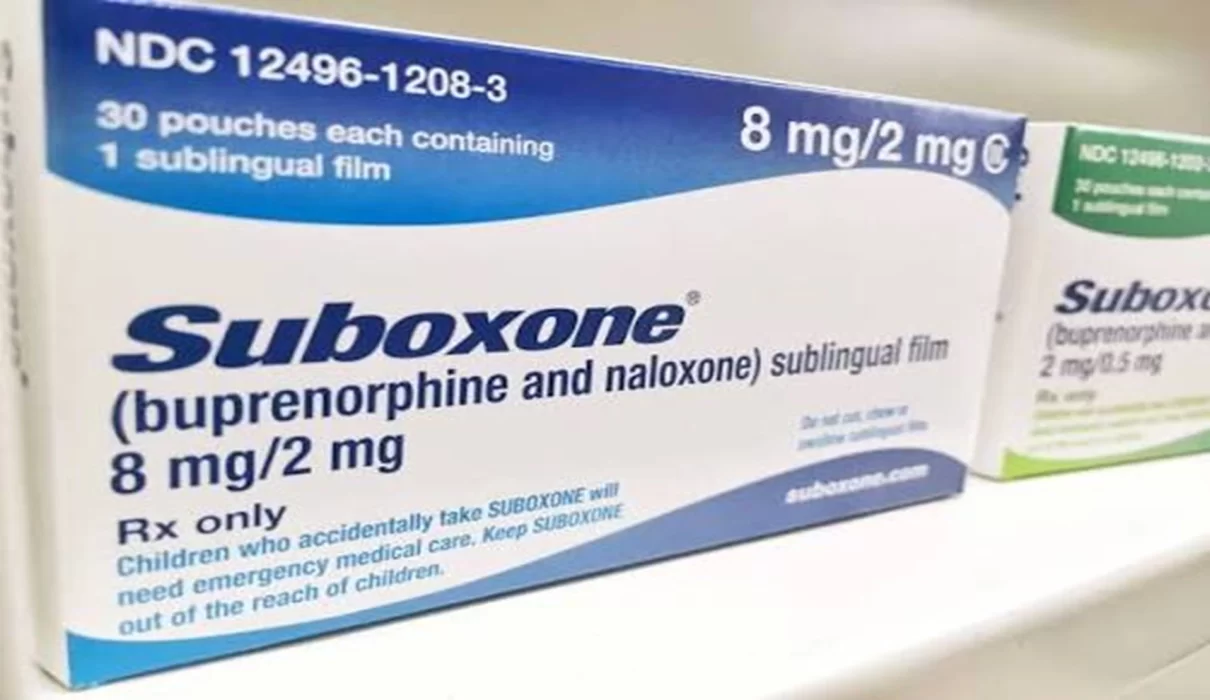
The Suboxone tooth decay lawsuit is the group of claims filed against Indivior and Aquestive Therapeutics alleging that Suboxone sublingual film caused severe, often permanent dental decay. Suboxone combines buprenorphine and naloxone and is widely prescribed to treat opioid use disorder.
Plaintiffs argue the companies knew about the dental risk for years before the FDA required a boxed warning on Suboxone labels in 2022. That gap between awareness and warning is the core of the failure-to-warn claims driving this litigation.
Why Suboxone Film Causes Tooth Decay
Suboxone film is designed to dissolve slowly under the tongue, which means it sits in direct contact with teeth and gums for several minutes at a time, daily, often for years. The FDA has identified a few mechanisms working together to damage teeth:
- The film’s acidic pH gradually breaks down tooth enamel
- Suboxone reduces saliva production, causing chronic dry mouth
- Reduced saliva removes one of the mouth’s natural defenses against decay
- Daily, prolonged contact between the film and teeth compounds the damage over time
Symptoms and Warning Signs to Watch For
Patients who later filed claims often noticed a pattern of symptoms before realizing they were connected to Suboxone:
- Sudden, unexplained cavities in multiple teeth at once
- Teeth that feel weakened, chalky, or rough to the touch
- Persistent dry mouth despite drinking water regularly
- Gum swelling, bleeding, or recurring infections
- Teeth cracking or breaking with normal use
- Rapid tooth decay despite consistent brushing and flossing
If several of these symptoms developed after starting Suboxone film, that pattern itself is worth raising with both a dentist and an attorney.
Who Qualifies for a Suboxone Tooth Decay Claim?
Eligibility generally comes down to a few core factors. You may qualify if you:
- Used Suboxone sublingual film, not tablets
- Developed tooth decay, enamel erosion, or related dental damage during or after treatment
- Did not have significant pre-existing dental problems before starting Suboxone
- Were not warned about the dental risk at the time of prescription
- Needed dental treatment or incurred costs because of the damage
Suboxone tablets generally fall outside these claims because they do not create the same prolonged acidic exposure as the film. The litigation has also expanded to include Sublocade, an extended-release buprenorphine injection, after plaintiffs reported similar dental injuries. A brief case review with a mass tort attorney is usually enough to confirm whether your situation fits.
MDL 3092 Update: Bellwether Trials and Case Count in 2026
All federal Suboxone tooth decay lawsuits have been consolidated into MDL 3092, in the U.S. District Court for the Northern District of Ohio, under Judge Charles Esque Fleming. As of the latest filings, nearly 18,000 claims are pending across the federal MDL and state courts combined.
Notable developments moving through 2026 include:
- Bellwether cases advancing toward trial, with both sides preparing expert testimony on causation
- A June 2026 case management order setting aside 11% of future settlements for shared litigation costs
- Ongoing production of internal Indivior and Aquestive records, including prior dental injury complaints
- Expansion of the litigation to cover Sublocade-related dental injury claims alongside the original film cases
Bellwether trial outcomes typically shape how both sides value the remaining cases, so these early trials matter well beyond the individual plaintiffs involved. No global settlement has been announced, and the litigation remains active with new claims still being filed.
Evidence That Strengthens a Tooth Decay Claim
The strength of a Suboxone tooth decay claim comes down to documentation. Attorneys typically look for:
- Prescription records confirming you were prescribed Suboxone film
- Dental records showing the timeline and extent of the decay
- X-rays taken before and after starting treatment, if available
- Receipts for fillings, root canals, extractions, or implants
- Photographs of visible damage
- Notes from your dentist connecting the decay to your Suboxone use
Start collecting these records as early as possible, even before you speak with an attorney. Keep originals safe and only share copies. A well-documented case moves faster and typically carries more weight in settlement negotiations.
What Compensation Could Look Like
Compensation in a Suboxone tooth decay claim depends on the extent of the damage and how it has affected your life financially and personally. Categories of damages typically include:
- Past dental treatment costs already paid
- Future dental care, including anticipated implants, crowns, or dentures
- Pain and suffering
- Emotional distress
- Lost income if the damage affected your ability to work
Because no global settlement exists yet, exact payout ranges are not confirmed. Bellwether trial verdicts expected later in 2026 will give both plaintiffs’ attorneys and Indivior a clearer benchmark for negotiating individual and group settlements. If you are weighing whether pursuing a claim is worth it, our guide on how to find a lawyer to sue a company walks through how compensation typically gets calculated in product liability cases like this one.
How to File Before Your Deadline
Every state sets its own statute of limitations for personal injury and product liability claims, and Suboxone tooth decay cases are no exception. Most states allow between two and four years from the date of injury or the date you reasonably discovered the connection between your dental damage and Suboxone use.
Steps to take now:
- Schedule a dental evaluation to document current damage if you have not already
- Gather prescription and treatment records
- Contact a mass tort attorney with experience in pharmaceutical litigation for a free case review
- Ask about contingency fee arrangements so there is no upfront cost
- File promptly, since missing your state’s deadline can permanently bar your claim
Even if you are not certain your case qualifies, getting a professional opinion early preserves your options while the litigation is still active.
Conclusion
The Suboxone tooth decay lawsuit is built on a straightforward but serious claim: that a widely prescribed medication damaged patients’ teeth, and the companies behind it knew about the risk before warning anyone. With nearly 18,000 cases moving through MDL 3092 and bellwether trials underway in 2026, the litigation is far from over, but the window to file an individual claim is not unlimited. If you developed tooth decay, enamel erosion, or other dental damage after using Suboxone film, documenting your symptoms and speaking with an experienced attorney now protects your right to pursue compensation.
