

 By
By The OGX shampoo lawsuit has raised serious concerns for millions of consumers who use OGX hair care products daily. What seemed like a trusted beauty brand is now at the center of major legal action across the United States.
If you have used OGX shampoo and noticed unexpected hair loss or scalp problems, this article is for you. Here are the top 5 risks that have been uncovered in the OGX shampoo lawsuit, and what they mean for you.
Risk 1: Exposure to a Harmful Chemical Called DMDM Hydantoin
The biggest risk uncovered in the OGX shampoo lawsuit is the presence of DMDM hydantoin in several OGX products.
DMDM hydantoin is a preservative that slowly releases formaldehyde over time. Formaldehyde is a known carcinogen and has been linked to hair loss, scalp irritation, and allergic reactions.
Many consumers were completely unaware this ingredient was in their shampoo. The lawsuit argues that Johnson & Johnson, the parent company of OGX, failed to clearly disclose this risk on product labels.
Risk 2: Serious Hair Loss Reported by Thousands of Users
One of the most alarming risks tied to the OGX shampoo lawsuit is widespread hair loss among regular users.
Thousands of consumers across the United States have reported excessive shedding, thinning hair, and bald patches after using OGX shampoos and conditioners. For many, the hair loss was sudden and significant.
Medical professionals have noted that formaldehyde-releasing preservatives like DMDM hydantoin can damage hair follicles with repeated exposure. Once follicles are damaged, hair regrowth can be slow or incomplete.
Which OGX Products Are Linked to These Risks?
Several popular OGX products have been named in the lawsuit. These include:
- OGX Thick & Full Biotin & Collagen Shampoo
- OGX Nourishing Coconut Milk Shampoo
- OGX Extra Strength Damage Remedy + Coconut Miracle Oil Shampoo
- OGX Refreshing Scalp + Teatree Mint Shampoo
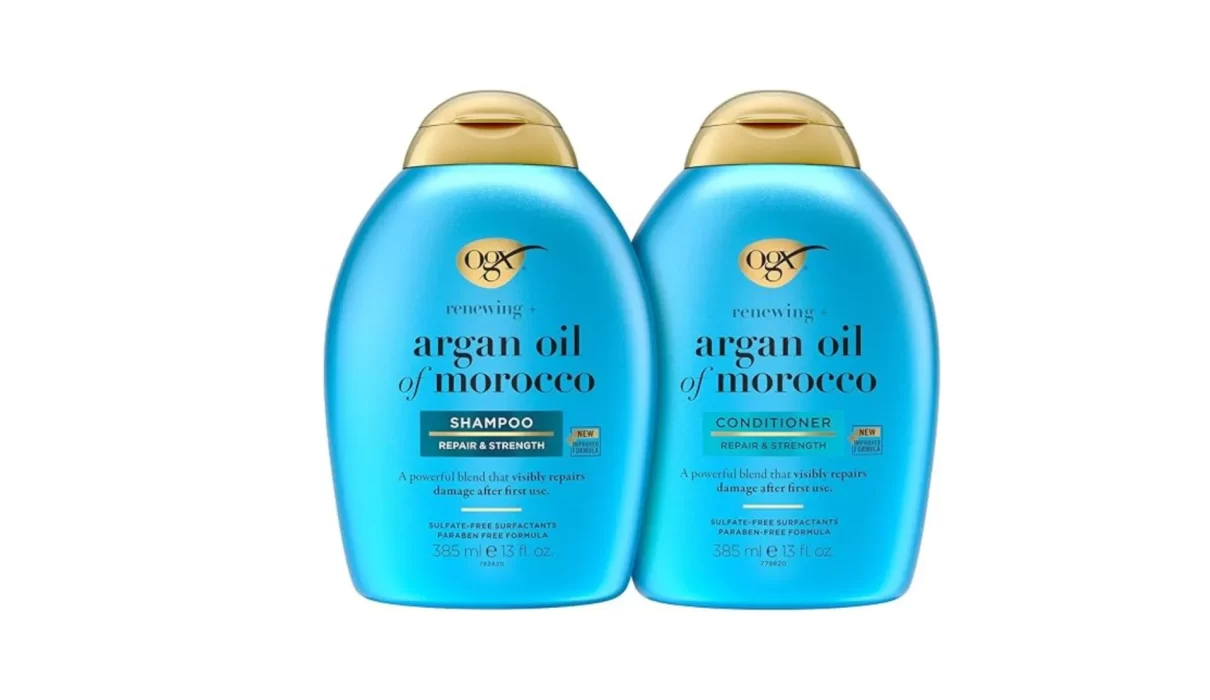
- OGX Renewing + Argan Oil of Morocco Shampoo
If you have purchased or regularly used any of these products, you may be among those affected by the risks highlighted in the OGX shampoo lawsuit.
Risk 3: Scalp Irritation and Long-Term Skin Damage
Beyond hair loss, another serious risk uncovered in the OGX shampoo lawsuit is persistent scalp irritation and skin damage.
Users have reported symptoms including redness, burning sensations, itching, and flaking after using OGX products. In some cases, these symptoms persisted even after stopping use of the product.
Dermatologists warn that repeated exposure to formaldehyde-releasing chemicals can compromise the skin barrier on the scalp. This can make the scalp more sensitive and vulnerable to further damage over time.
Who Is Most Vulnerable?
Certain groups face a higher risk of scalp and skin damage from these ingredients:
- People with sensitive skin or pre-existing scalp conditions
- Individuals who use OGX products daily or in large quantities
- Children and teenagers whose skin barriers are not fully developed
- People who combine OGX products with heat styling tools
If you fall into any of these categories and have experienced symptoms, consulting a dermatologist and a legal professional is strongly recommended.
Risk 4: Lack of Proper Warning Labels on Products
A critical legal argument in the OGX shampoo lawsuit is that Johnson & Johnson did not provide adequate warnings to consumers about the risks of DMDM hydantoin.
Consumer protection laws in the United States require companies to clearly disclose ingredients that carry known health risks. Plaintiffs in the lawsuit argue that OGX packaging failed to meet this standard.
This lack of transparency left millions of consumers making purchasing decisions without full knowledge of what they were applying to their hair and scalp every day.
What the Law Says About Product Labeling
Under U.S. product liability law, a manufacturer can be held responsible if:
- A product contains a dangerous ingredient
- The consumer was not properly warned about the risk
- The consumer suffered harm as a direct result of using the product
This legal framework is at the heart of the OGX shampoo lawsuit and supports the claims of thousands of affected consumers.
For a deeper understanding of how product liability law works, you can explore resources available through the U.S. Consumer Product Safety Commission, which provides official guidance on consumer safety standards.
Risk 5: Financial and Emotional Impact on Affected Consumers
The fifth major risk uncovered in the OGX shampoo lawsuit goes beyond physical harm. Many victims have also suffered financial losses and emotional distress as a result of using these products.
Hair loss can deeply affect a person’s confidence, mental health, and overall quality of life. Several claimants have reported anxiety, depression, and social withdrawal following significant hair thinning or loss.
Financially, victims have faced costs related to:
- Dermatologist consultations and treatments
- Specialized hair regrowth therapies
- Scalp care products to manage irritation
- Potential lost income if the condition affected their professional life
These are real damages that the law recognizes, and they can be included in a compensation claim under the OGX shampoo lawsuit.
What Should You Do If You Are Affected?
If you believe you have been harmed by an OGX product, here are the immediate steps you should take:
- Stop using the product right away and preserve it as evidence
- Visit a dermatologist to document your hair loss or scalp condition
- Collect all receipts or proof of purchase for the products used
- Take photos of the product, your hair loss, or scalp damage
- Contact a personal injury attorney who specializes in product liability cases
Acting quickly is important because the statute of limitations for product liability claims is typically two to four years depending on your state.
To learn more about finding the right legal support, read our detailed guide on how to find a lawyer to sue a company for step-by-step advice.
Final Thoughts
The OGX shampoo lawsuit is a serious reminder that not all personal care products are as safe as they appear. The five risks uncovered in this lawsuit, harmful chemicals, hair loss, scalp damage, misleading labels, and emotional and financial harm, have affected real people across the country.
If you or someone you know has been impacted, do not wait. Gather your evidence, speak with a qualified attorney, and take the steps needed to protect your rights and pursue the compensation you deserve.
Summary: Key Takeaways
- The OGX shampoo lawsuit centers on the harmful ingredient DMDM hydantoin, which releases formaldehyde during use
- Thousands of consumers have reported hair loss, scalp irritation, and skin damage after using OGX products
- Popular products like OGX Biotin & Collagen and OGX Coconut Milk Shampoo are named in the lawsuit
- Johnson & Johnson is accused of failing to warn consumers about the risks of DMDM hydantoin on product labels
- Affected consumers can claim compensation for medical costs, emotional distress, and financial losses
- The statute of limitations means you must act quickly to protect your legal rights
- Most attorneys handle these cases on a contingency fee basis, no upfront costs required
- Collecting evidence early, including receipts, photos, and medical records, strengthens your claim
- You can choose to join a class action lawsuit or file an individual claim depending on your situation
- Consulting a qualified personal injury attorney is the most important first step you can take.
