

 By
By At least five people were killed in Ukraine following a large-scale Ukraine missile attack carried out by Russian forces. The strikes targeted multiple regions and cities, hitting homes, infrastructure, and public services. Ukrainian officials confirmed that the offensive involved hundreds of drones and dozens of missiles, causing significant disruption and highlighting the ongoing human cost of the conflict.
This Ukraine missile attack is part of the ongoing Russia-Ukraine conflict, which has seen repeated waves of missile and drone strikes in recent months. Beyond the immediate casualties, the strikes also affected Ukraine’s energy networks, leading to power outages in several regions and even impacting electricity supply to neighboring countries.
Details of the Attack
According to reports, Russian forces launched 392 drones and 34 missiles in a coordinated nighttime operation. While Ukraine’s air defense systems intercepted a majority of the attacks, several missiles and drones reached their targets. The strikes damaged homes, buildings, and public infrastructure in multiple cities.
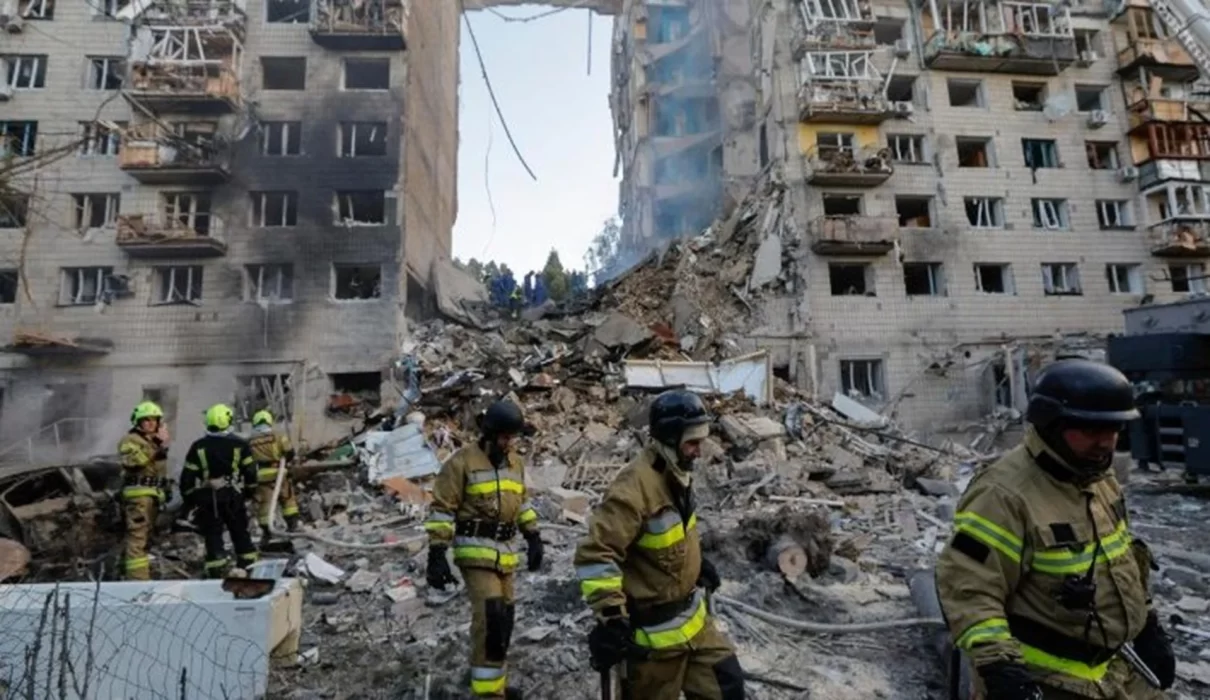
Officials reported that among the five people killed, several were civilians, underscoring the human cost of the conflict. Emergency services responded quickly, rescuing those trapped in debris and treating the injured at hospitals. Residents in affected areas were forced to seek shelter as air raid alarms sounded across the regions.
The Ukraine missile attack also targeted transport systems. In Kharkiv, a drone struck an electric train, causing damage but fortunately avoiding further casualties. Such attacks on civilian infrastructure demonstrate the wide-reaching effects of modern warfare, extending beyond direct military targets.
Civilian Impact
The civilian toll from this attack is significant. Five deaths, multiple injuries, and widespread damage to homes have displaced many families. The psychological impact on residents, including children, is profound, with many reporting anxiety and trauma due to repeated air raid alarms and fear of future attacks.
Hospitals and emergency responders were stretched to capacity as they dealt with the influx of casualties. Families reported difficulties in accessing basic services, while local authorities coordinated temporary shelters and relief for those affected.
Beyond immediate casualties, the attack disrupted the daily lives of citizens. Schools, workplaces, and public transport systems were impacted, leaving communities struggling to maintain routine activities in the aftermath of the strikes.
Damage to Infrastructure and Energy Systems
A key component of this Ukraine missile attack was the targeting of energy infrastructure. Several power lines and substations were damaged, resulting in blackouts across multiple regions. Notably, one power line supplying electricity to Moldova and parts of Europe was disrupted, highlighting the regional consequences of the attack.
The loss of electricity affected hospitals, water supply, and heating systems. Repairing this infrastructure in a conflict zone is challenging and dangerous, meaning that outages and disruption may continue for days or weeks. Such strikes also increase the vulnerability of civilians during extreme weather or medical emergencies.
In addition to energy, other critical infrastructure, such as transportation networks, communications, and industrial facilities, were affected. These damages can have long-term economic and social consequences, slowing down recovery and placing additional burdens on communities.
Strategic Context
From a military perspective, the attack demonstrates Russia’s growing reliance on drone technology combined with missile strikes. Coordinated attacks involving hundreds of drones allow for rapid, high-volume assaults that are difficult to counter with conventional air defense systems.
For Ukraine, defending against these attacks requires investments in early warning systems, advanced air defense technology, and effective emergency response mechanisms. The attack also highlights the importance of preparedness for civilian populations, including safe shelters, evacuation routes, and public awareness campaigns.
International Reactions
The Ukraine missile attack drew responses from governments and international organizations around the world. Ukrainian officials called for increased support from Western allies, including advanced air defense systems and intelligence assistance. European leaders expressed concern, particularly because the strikes disrupted electricity supply beyond Ukraine’s borders.
The United Nations and other humanitarian organizations condemned attacks on civilians and civilian infrastructure, emphasizing that the protection of non-combatants should remain a priority under international law. Russia, however, has maintained that its strikes are aimed at military targets, though civilian casualties raise concerns about compliance with international humanitarian standards.
Broader Implications
The consequences of this attack extend beyond immediate deaths and infrastructure damage. Disruption of power networks, transportation systems, and essential services has wide-ranging effects on the economy, healthcare, and public safety. Neighboring countries dependent on energy and trade with Ukraine may also experience indirect effects, demonstrating the broader regional impact of the conflict.
Additionally, the use of drones and missiles in high-volume coordinated attacks signals a shift in modern warfare strategies. It demonstrates how technology is changing the way conflicts are waged and increases the risks to civilian populations in contested areas.
Human Stories
While statistics highlight the scale of the attack, personal stories illustrate the human cost. Residents described waking to air raid sirens, spending hours in shelters, and worrying about the safety of loved ones. Families reported damage to their homes and belongings, and emergency responders worked around the clock to provide aid and restore essential services.
Children and vulnerable adults face long-term effects from repeated exposure to conflict, including psychological trauma. Humanitarian organizations have mobilized to provide temporary shelter, medical care, and psychological support to affected populations. However, the scale of the attack presents challenges for aid delivery and recovery efforts.
Looking Ahead
As the conflict continues, protecting civilians and maintaining essential services remains critical. Ukraine has requested additional support from international allies, including air defense systems, humanitarian aid, and technical assistance to repair damaged infrastructure. Early warning systems, emergency preparedness, and public awareness campaigns are essential to minimize future casualties.
The five people killed in this Ukraine missile attack serve as a reminder of the ongoing human cost of the war. While military objectives are often emphasized, the impact on civilians, families, and communities is profound and long-lasting. Ensuring accountability and compliance with international humanitarian law remains an essential part of mitigating harm to non-combatants.
Conclusion
The latest Ukraine missile attack, which resulted in five civilian deaths, underscores the ongoing dangers faced by people living in conflict zones. Coordinated missile and drone strikes by Russian forces caused widespread destruction, disrupted energy and transportation infrastructure, and left communities in fear.
Protecting civilians, restoring essential services, and providing humanitarian support are urgent priorities. The human cost of this attack highlights the broader consequences of the Russia-Ukraine conflict, reminding the world that the effects of modern warfare extend far beyond the battlefield.
This incident demonstrates the need for continued international attention, support for affected populations, and strategies to reduce civilian harm in ongoing and future conflicts.
