

 By
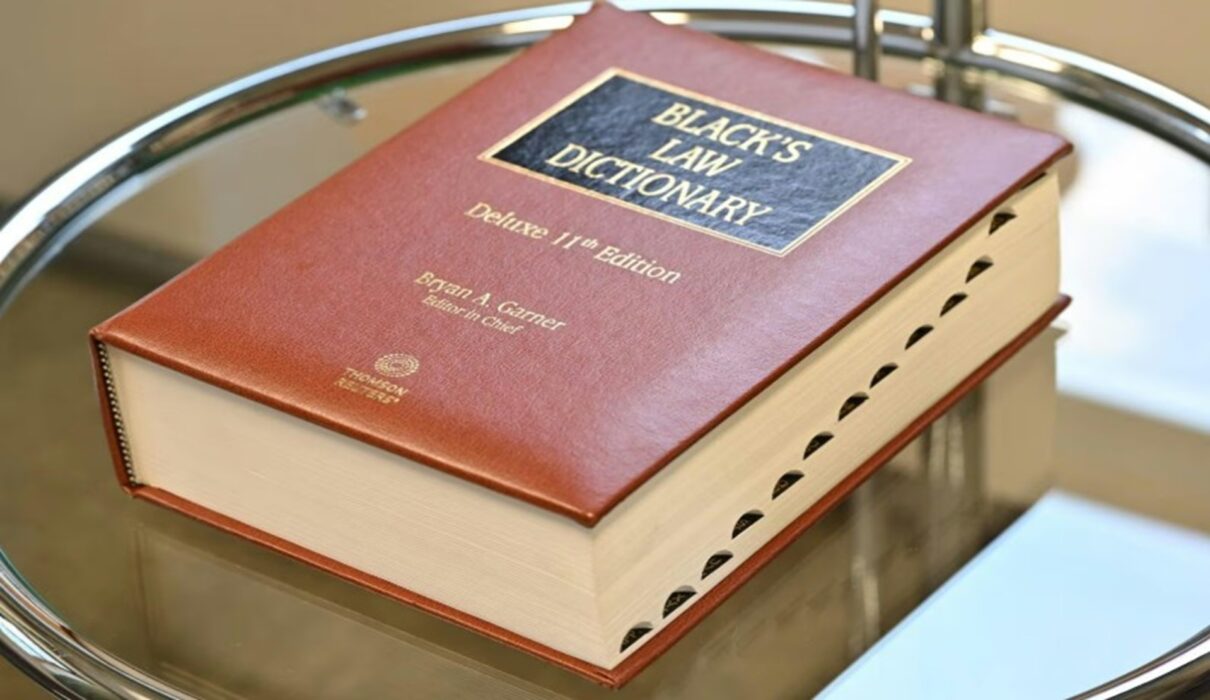
By The Legal Dictionary can feel overwhelming when you first encounter legal documents, court papers, or law school materials. Many people worry they might misunderstand an important legal term and make a costly mistake. Fortunately, you do not need a law degree to begin understanding legal language. A trusted Legal Dictionary, particularly Black’s Law Dictionary, can help translate complex legal terms into plain English. This guide explains what Black’s Law Dictionary is, when you should use it, how to use it effectively, potential costs, free resources, and practical tips to help you navigate legal terminology with confidence.
What Is Legal Dictionary? A Plain-Language Explanation
A Legal Dictionary is a specialized reference book that defines legal words, phrases, doctrines, and concepts used in courts, contracts, statutes, and legal practice. Among the most respected legal references is Black’s Law Dictionary, which has been used by lawyers, judges, professors, and law students for more than a century.
Unlike a standard dictionary, a legal dictionary explains terms within their legal context. This distinction is important because many words have meanings in law that differ from everyday usage. For example, “consideration” in contract law refers to something of value exchanged between parties, not merely thoughtful reflection.
Quick Definition
Legal Dictionary: A reference source that explains legal terms, phrases, and concepts in clear language so readers can understand legal documents and proceedings.
Whether you are reading a lease, reviewing a lawsuit, or preparing for law school, a legal dictionary can provide valuable guidance.
When Do You Need This? (Common Situations)
| Situation | What It Means for You |
|---|---|
| Reading court documents | Helps you understand legal terminology used in filings and orders |
| Reviewing a contract | Clarifies unfamiliar legal phrases and obligations |
| Handling a personal legal issue | Makes legal notices and forms easier to understand |
| Studying law | Provides authoritative definitions for coursework and exams |
| Researching a legal topic | Improves accuracy when interpreting legal concepts |
| Communicating with attorneys | Helps you ask informed questions and understand advice |
Step-by-Step Guide: Using a Legal Dictionary Effectively
1. Identify the Legal Term
Start by locating the word or phrase you do not understand. Write down the exact spelling and note the context in which it appears.
2. Find the Official Definition
Look up the term in Black’s Law Dictionary. Read the entire entry rather than focusing only on the first sentence.
3. Review Related Terms
Many entries include references to related legal concepts. Reviewing these related terms often provides additional context and improves understanding.
⚠️ Common Mistake
Do not assume a legal term means the same thing as it does in everyday conversation. Legal definitions often have specialized meanings that can significantly affect rights and obligations.
4. Check the Context
Consider how the term is being used in your specific document or situation. The surrounding language often influences interpretation.
5. Compare Multiple Sources
If a definition remains unclear, compare it with court resources, legal aid materials, or educational guides. This can help clarify complex concepts.
6. Take Notes
Create a personal glossary of frequently encountered legal terms. This saves time and reinforces understanding.
7. Consult a Professional When Necessary
A dictionary explains terminology but does not provide legal advice. If the meaning affects an important legal decision, consult a qualified attorney.
Costs and Fees Involved
Using legal terminology resources can range from completely free to moderately expensive, depending on the source you choose.
| Item | Typical Cost Range | Notes |
| Online legal glossaries | Free | Available through courts and legal aid organizations |
| Public law library access | Free to $10 | Varies by location |
| Used Black’s Law Dictionary | $20 to $60 | Older editions often cost less |
| New Black’s Law Dictionary | $50 to $120 | Depends on edition and format |
| Legal research databases | $20 to $500+ monthly | Often used by professionals |
| Attorney consultation | $100 to $500+ hourly | For personalized legal advice |
Real-Life Example
Maria, a 34-year-old from Florida, received court papers related to a debt collection lawsuit. As she reviewed the documents, she encountered unfamiliar terms such as “affidavit,” “default judgment,” and “jurisdiction.” Feeling confused, Maria visited her local law library and consulted Black’s Law Dictionary. She carefully reviewed each definition and compared the explanations with educational materials from court resources. After gaining a better understanding of the terminology, she was able to determine important filing deadlines and prepare questions for a legal aid attorney. By learning the meaning of key legal terms before seeking advice, Maria felt more confident discussing her case and making informed decisions about her next steps.
State-Specific Rules to Know
While legal terminology is generally consistent, court procedures and deadlines vary by state.
| State | Key Rule / Limit / Deadline |
| California | Civil response deadlines vary by case type |
| Texas | Court filing procedures differ by county |
| Florida | Small claims procedures have unique requirements |
| New York | Certain legal forms require specific formatting |
| Illinois | Electronic filing is required in many courts |
| Pennsylvania | Local court rules may supplement statewide rules |
| Georgia | Deadlines often depend on service date |
| Ohio | Court procedures vary by jurisdiction |
| Arizona | Online court resources are widely available |
| Washington | Electronic access to court records is common |
Always review your local court’s rules before relying on a legal definition in a legal proceeding.
Free Resources and Legal Aid Options
- Legal Services Corporation (LSC)
Offers access to local legal aid providers. - American Bar Association Free Legal Help Resources
Provides legal information and referral resources. - United States Courts Glossary
Explains common legal and court-related terms. - State Court Self-Help Centers
Many courts provide free explanations of legal procedures. - Public Law Libraries
Offer free access to legal research materials and dictionaries.
Final Checklist Before You Proceed
✅ Identify unfamiliar legal terms before making assumptions
✅ Use Black’s Law Dictionary for authoritative definitions
✅ Read the full definition, not just the first sentence
✅ Review related legal terms for context
✅ Compare information with trusted court resources
✅ Keep notes on frequently used legal terminology
✅ Verify local court rules and deadlines
✅ Seek legal advice when rights or deadlines are involved
Conclusion
Understanding legal terminology does not have to be intimidating. A trusted Legal Dictionary such as Black’s Law Dictionary can help you interpret contracts, court documents, and legal communications with greater confidence. By learning how to use this resource effectively, you can better understand your legal situation and communicate more clearly with legal professionals. For further guidance, read our related resource on
